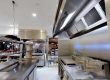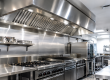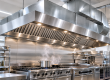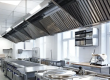
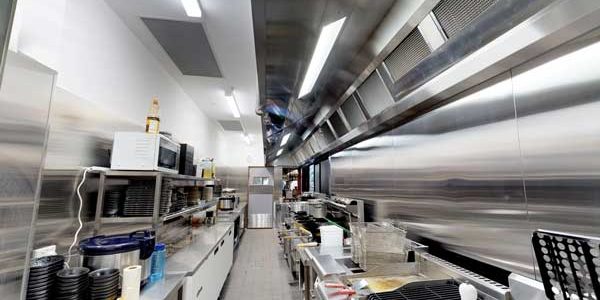
Replacing a commercial rangehood involves more than matching the dimensions of the old canopy. The cooking equipment, exhaust fan, ductwork and replacement-air arrangements need to be considered together. A replacement that looks similar may still require a different specification or additional work.
For Melbourne operators planning a refurbishment, the most useful first step is to document the existing kitchen and the changes you want to make. Our commercial rangehood service in Melbourne can help you discuss a custom canopy and define the project scope.
Explain why you want to replace the canopy
Record the reason for the enquiry: a changed cooking line, physical damage, a fit-out redesign or concerns about extraction. Describe when any issue occurs and what equipment is operating at the time. This provides a better starting point than requesting an identical hood without understanding the problem.
For example, smoke remaining in the kitchen does not establish that the canopy itself needs replacing. Filters, air supply, fan operation or the wider system may need investigation. Arrange a suitable inspection rather than assuming a new hood will solve every ventilation problem.
Compare the old and proposed appliance lists
Make two lists: equipment currently installed and equipment proposed after the refurbishment. Include model numbers, fuel types, dimensions and positions. Highlight additions, removals and appliances that will move.
A change from a light cooking operation to a more demanding menu may change the brief even when the bench length stays the same. Tell the assessor about the cooking processes and expected operating hours, not simply the number of appliances.
Document components you hope to retain
Photograph the existing canopy connections, accessible ductwork, fan identification plate and controls. Provide any available drawings, previous reports and maintenance records. Do not enter roofs, open electrical equipment or remove fixed components to obtain this information.
Ask the project team to confirm which components can remain. A retained fan or duct route needs assessment against the proposed design; its presence is not evidence of suitability. If duct alterations are needed, discuss the commercial exhaust duct fabrication scope separately.
Plan removal and installation access
Record doorway sizes, stairs, loading access and the available working area. Identify equipment that may obstruct removal or installation and discuss who will arrange any necessary disconnection and reconnection. Confirm how the kitchen will be protected during the work.
For an operating restaurant, request a sequence covering removal, delivery, installation and checks. Keep the reopening plan tied to the agreed scope and site readiness rather than assuming that fabrication completion means the kitchen is ready to operate.
Questions to put in the replacement quote
- Does the proposal include removal and disposal of the old canopy?
- Which existing components have been assessed for reuse?
- Are filters, lighting, fan work and duct changes included?
- Who coordinates electrical, gas, structural or other specialist work where needed?
- What checks and documents will be provided?
- What access and site preparation must the operator arrange?
- What are the written warranty terms and proposed schedule?
Frequently asked questions
Can I reuse the existing exhaust fan?
Possibly, but its condition and suitability for the proposed system need assessment. Confirm reuse in the project specification.
Does a larger canopy fix poor extraction?
Not necessarily. Extraction concerns require assessment of the complete system and cooking operation. Changing width alone does not establish the cause or solution.
Should I order before the site assessment?
Confirm the layout, specification and scope before committing to fabrication. Unchecked dimensions or assumptions about retained components can create avoidable changes.
Prepare your replacement enquiry
Gather the existing and proposed equipment lists, photographs, measurements and available drawings. Contact CGC Stainless Steel to discuss your replacement project. For ongoing care, read our commercial rangehood maintenance guide.