
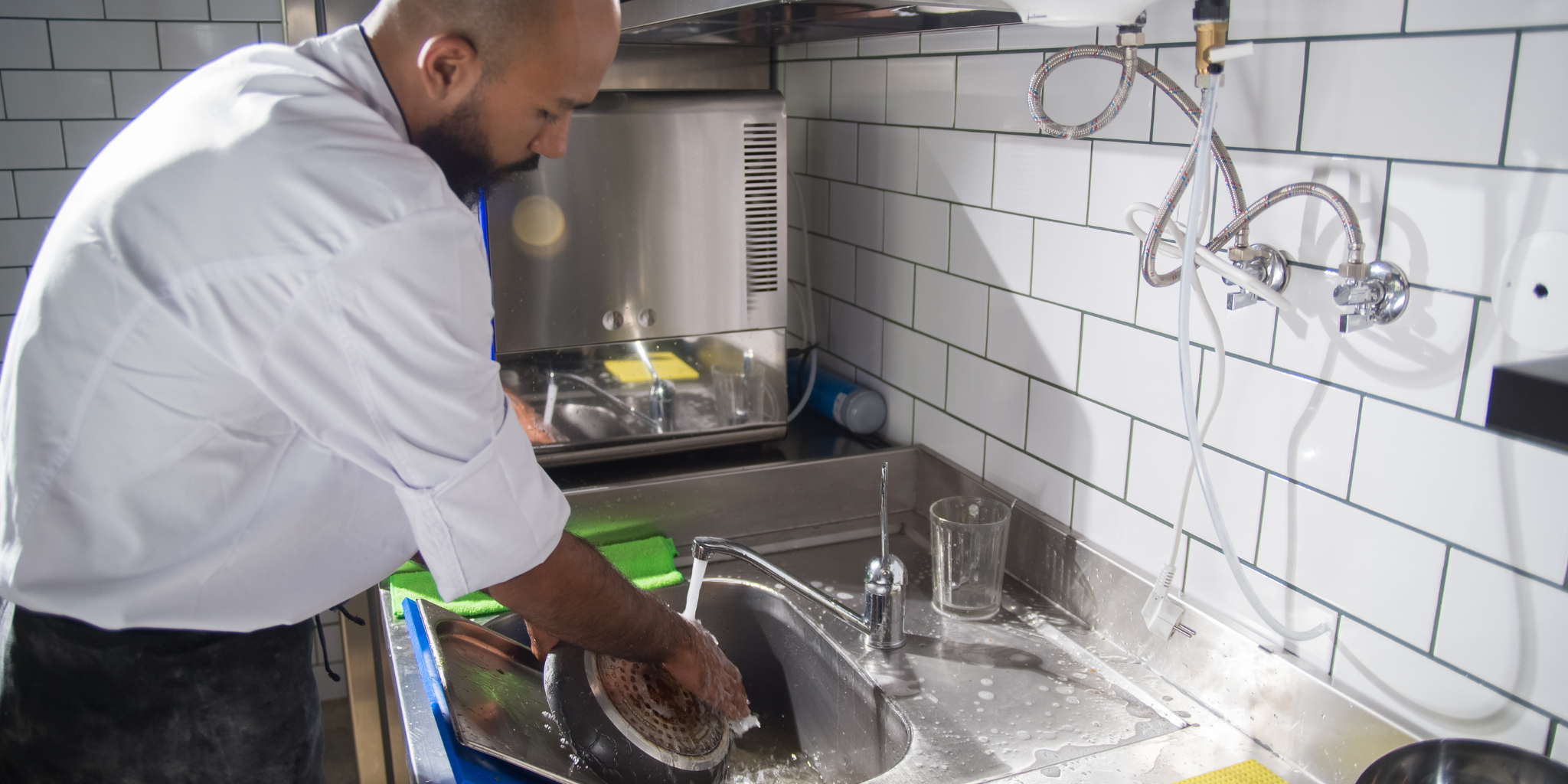
Ceramic Sink vs Stainless Steel: Which Is Better?
Choosing between a ceramic sink and a stainless steel sink depends on how you use your kitchen, the appearance you prefer and the level of durability and maintenance you need.
Ceramic sinks can provide a traditional, decorative appearance, while stainless steel sinks are known for their practical design, durability and suitability for frequent use.
For commercial kitchens, stainless steel is widely used because it can be fabricated to different sizes and configurations and is suitable for regular cleaning and heavy use.
Ceramic Sink vs Stainless Steel Sink
The main differences are related to material, appearance, durability, maintenance, weight and customisation.
| Feature | Ceramic Sink | Stainless Steel Sink |
|---|---|---|
| Appearance | Traditional and decorative | Modern and practical |
| Durability | Can chip or crack from impact | Resistant to cracking and chipping |
| Weight | Generally heavier | Generally lighter |
| Cleaning | Relatively easy | Easy with routine care |
| Customisation | More limited | Many custom options |
| Heat resistance | Good | Good |
| Commercial use | Less common | Widely used |
| Bench integration | More limited | Easy to integrate |
| Maintenance | Product-dependent | Generally low maintenance |
The right option depends on the kitchen and the way the sink will be used.
Pros and Cons of Ceramic Sinks
Ceramic or fireclay sinks are often selected for their classic appearance.
Advantages of Ceramic Sinks
-
Traditional appearance
-
Glossy finish
-
Suitable for farmhouse and classic kitchens
-
Resistant to fading
-
Available in different styles
Disadvantages of Ceramic Sinks
-
Can chip or crack under significant impact
-
Can be heavy
-
May require additional cabinet support
-
Custom dimensions can be more limited
-
Cleaning requirements can vary by finish and manufacturer
Ceramic can be a good option when appearance is a major consideration and the sink will receive moderate use.
Pros and Cons of Stainless Steel Sinks
Stainless steel is widely used for residential and commercial kitchen sinks.
Advantages of Stainless Steel Sinks
-
Durable
-
Resistant to corrosion
-
Easy to clean
-
Non-porous surface
-
Suitable for frequent use
-
Available in different sizes and configurations
-
Can be custom fabricated
-
Can be integrated with stainless steel benches
-
Suitable for commercial kitchens
Disadvantages of Stainless Steel Sinks
-
Can show water marks
-
Can develop visible scratches
-
Thinner material can be noisier
-
May have a more industrial appearance
The finish, material thickness and fabrication quality can all affect how a stainless steel sink looks and performs.
Which Sink Is More Durable?
Stainless steel is generally more resistant to impact-related damage than ceramic.
Ceramic sinks can chip or crack if heavy cookware is dropped onto the surface.
Stainless steel can develop scratches or dents, but it is less likely to crack from everyday impact.
For kitchens where the sink receives frequent heavy use, stainless steel can be a practical choice.
Which Is Easier to Clean?
Both ceramic and stainless steel sinks can be cleaned effectively with suitable products.
Stainless steel has a smooth, non-porous surface and can be cleaned regularly using appropriate methods.
Ceramic sinks also have smooth surfaces, but the finish and manufacturer’s care instructions should be considered.
If easy routine maintenance is a priority, stainless steel is a practical option for many kitchens.
For more information, read our guide on which kitchen sinks are easiest to keep clean.
Which Sink Is Better for a Commercial Kitchen?
For commercial kitchens, stainless steel is generally the more practical option.
Commercial kitchens need sinks that can handle:
-
Frequent washing
-
Large cookware
-
Heavy equipment
-
Food preparation
-
Constant moisture
-
Regular cleaning
-
High daily usage
Stainless steel can also be fabricated into larger and customised configurations to suit the kitchen layout.
CGC Stainless Steel provides commercial stainless steel sink solutions for commercial kitchen applications.
Is Stainless Steel More Hygienic Than Ceramic?
Both materials can provide a cleanable surface when properly maintained.
Stainless steel is widely used in commercial kitchens because it has a smooth, non-porous surface and can be cleaned and sanitised regularly.
The actual hygiene of a sink also depends on cleaning practices, surface condition, design and installation.
Which Sink Is Better for a Modern Kitchen?
Stainless steel generally suits modern, industrial and commercial kitchen designs.
It can be combined with other stainless steel components such as:
-
Benches
-
Splashbacks
-
Preparation tables
-
Shelving
-
Workstations
Ceramic can be a better visual match for traditional, farmhouse or classic kitchen designs.
The best choice depends on the overall style of the kitchen.
Which Sink Is Better for a Farmhouse Kitchen?
Ceramic and fireclay sinks are often associated with farmhouse-style kitchens.
Their deep bowls and traditional appearance can suit classic kitchen designs.
Stainless steel can still be used in a farmhouse kitchen, particularly when a more modern or mixed-material appearance is preferred.
Which Sink Is Better for Heavy Use?
Stainless steel is generally a practical choice for heavy-use kitchens.
It can handle regular exposure to water, cookware and cleaning without the risk of ceramic chipping or cracking.
For commercial kitchens, stainless steel is especially useful because it can be fabricated to suit specific dimensions and workflows.
Which Sink Offers More Customisation?
Stainless steel generally provides more customisation options.
A stainless steel fabricator can create sinks with:
-
Custom dimensions
-
Single bowls
-
Double bowls
-
Multiple bowls
-
Integrated drainers
-
Custom drain positions
-
Splashbacks
-
Bench integration
This can be useful when a standard sink does not fit the available space.
If you need a custom sink, see our stainless steel sink Melbourne service.
304 vs 316 Stainless Steel for Sinks
If you choose stainless steel, the grade is another factor to consider.
304 stainless steel is commonly used for kitchen sinks because it provides good durability and corrosion resistance.
316 stainless steel provides greater corrosion resistance and can be considered for more demanding environments.
For a detailed comparison, read what is the best grade stainless steel for kitchen sinks.
What About Stainless Steel Sink Thickness?
The thickness of stainless steel can affect rigidity, dent resistance and noise.
When comparing stainless steel sinks, ask about the actual material thickness rather than choosing only by appearance.
The appropriate thickness depends on the intended use.
Commercial kitchens may require different specifications from a lightly used residential kitchen.
Stainless Steel Sink Maintenance
Stainless steel is relatively easy to maintain when cleaned regularly.
For routine care:
-
Remove food residue.
-
Rinse the sink.
-
Use a suitable mild cleaner.
-
Wipe with a soft cloth or sponge.
-
Rinse away cleaning residue.
-
Dry the surface.
Avoid abrasive materials that can scratch the finish.
If brown marks appear, read our guide on how to remove brown stains from stainless steel sink.
For more cleaning advice, see how to clean a stainless steel sink.
Ceramic vs Stainless Steel: Which Should You Choose?
Choose ceramic if:
-
You prefer a traditional appearance
-
The kitchen has a farmhouse or classic design
-
The sink will receive moderate use
-
You prefer a glossy decorative finish
Choose stainless steel if:
-
You need a durable sink
-
The kitchen receives frequent use
-
Easy routine maintenance is important
-
You need custom dimensions
-
You are designing a commercial kitchen
-
You want to integrate the sink with stainless steel benches
Neither material is right for every kitchen.
The best option depends on the kitchen design, expected workload, available space and maintenance requirements.
Stainless Steel Sinks for Commercial Kitchens
Commercial kitchens often require sinks that are practical, durable and easy to maintain.
A stainless steel sink can be designed around the kitchen’s workflow and available space.
Custom options can include:
-
Bowl configuration
-
Sink dimensions
-
Drainer position
-
Splashback
-
Bench integration
-
Custom workstations
For commercial projects, the sink should be planned alongside the rest of the kitchen equipment and stainless steel fabrication.
Stainless Steel Sink and Commercial Bench Integration
If your kitchen requires both a sink and stainless steel workbench, the two components can be designed to work together.
This can help create a more practical preparation and washing area.
See our commercial stainless steel benches Melbourne service for more information.
How to Choose a Quality Stainless Steel Sink
If stainless steel is your preferred option, consider more than the material alone.
Check:
-
Stainless steel grade
-
Material thickness
-
Sink dimensions
-
Bowl configuration
-
Bowl depth
-
Surface finish
-
Drain position
-
Sound insulation
-
Installation
-
Fabrication quality
For a detailed checklist, read our guide to choosing a quality stainless steel sink.
Get a Stainless Steel Sink Designed for Your Kitchen
Ceramic and stainless steel sinks both have advantages.
Ceramic can provide a classic appearance, while stainless steel offers durability, practical maintenance and greater fabrication flexibility.
For busy kitchens and commercial applications, stainless steel can be a practical choice because it can be manufactured to suit specific dimensions and workflows.
CGC Stainless Steel provides custom stainless steel sink Melbourne solutions for commercial and other kitchen applications.
Contact CGC Stainless Steel to discuss your sink requirements.
Frequently Asked Questions
Is stainless steel better than ceramic for a kitchen sink?
It depends on your priorities. Stainless steel is generally better suited to frequent use, custom fabrication and commercial kitchens, while ceramic can be preferred for traditional kitchen designs.
Which lasts longer, ceramic or stainless steel?
Stainless steel can withstand impact without cracking or chipping, making it a practical choice for heavy-use kitchens. Ceramic can be durable but may chip or crack from significant impact.
Which is easier to clean, ceramic or stainless steel?
Both can be cleaned effectively. Stainless steel is particularly practical for regular cleaning because of its smooth, non-porous surface.
Are stainless steel sinks good for commercial kitchens?
Yes. Stainless steel is widely used in commercial kitchens because it is durable, cleanable and available in custom configurations.
Are ceramic sinks suitable for commercial kitchens?
They can be used in some applications, but stainless steel is generally more practical for high-use commercial kitchen environments.
Which sink is better for a farmhouse kitchen?
Ceramic or fireclay sinks are commonly selected for farmhouse kitchens because of their traditional appearance.
Which sink is more resistant to impact?
Stainless steel is generally more resistant to impact-related damage because it does not crack or chip in the same way ceramic can.
Can stainless steel sinks be custom made?
Yes. Stainless steel sinks can be fabricated to custom dimensions and configurations, including integrated drainers and bench integration.
Is 304 stainless steel good for kitchen sinks?
Yes. 304 stainless steel is a common choice for kitchen sinks because it offers good durability and corrosion resistance.
Where can I get a custom stainless steel sink in Melbourne?
CGC Stainless Steel provides custom stainless steel sink fabrication for commercial and other kitchen applications in Melbourne.