
If you are choosing a new kitchen sink, cleaning and maintenance should be part of the decision.
Some sink materials are easier to clean than others, particularly when the sink is used every day.
Stainless steel is one of the most practical choices because it has a smooth surface, does not require sealing and can be cleaned regularly with suitable products.
But how does stainless steel compare with ceramic, granite composite and other sink materials?
What Is the Easiest Kitchen Sink Material to Clean?
For many kitchens, stainless steel is one of the easiest sink materials to clean and maintain.
Its smooth surface allows food residue and everyday grime to be removed with routine cleaning.
Stainless steel also does not require the same type of sealing that some other sink materials may require.
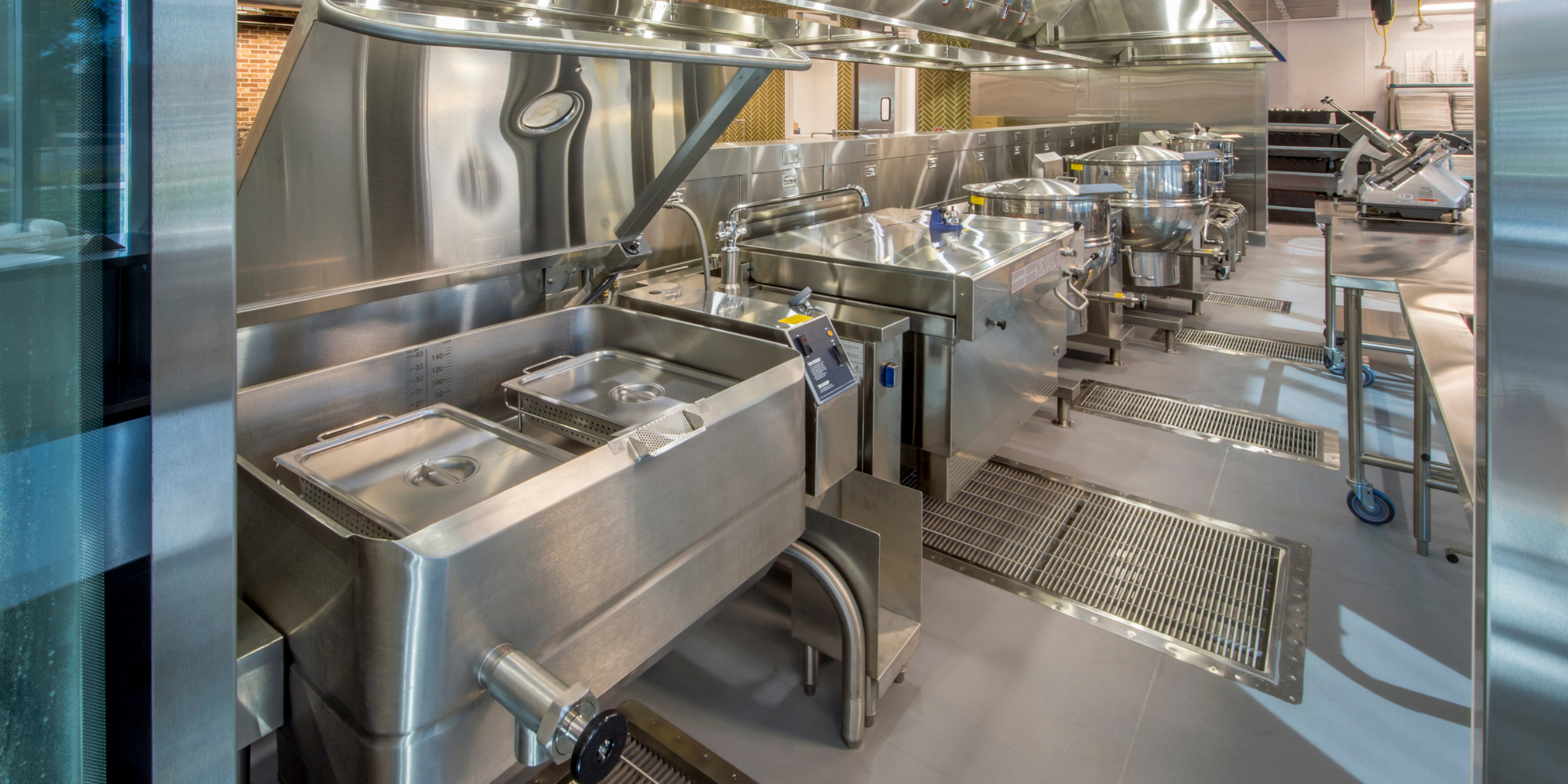
For busy kitchens, including commercial kitchens, easy cleaning can be an important factor when choosing a sink.
Why Are Stainless Steel Sinks Easy to Clean?
Stainless steel has several characteristics that make it practical for kitchen use.
Smooth Surface
A properly finished stainless steel sink provides a smooth surface that can be wiped and cleaned regularly.
Resistant to Rust and Staining
Quality stainless steel provides good resistance to corrosion and everyday kitchen staining when properly maintained.
No Sealing Required
Unlike some natural or composite materials, stainless steel does not normally require periodic sealing.
Easy Routine Cleaning
Warm water, a suitable mild cleaner and a soft cloth or sponge can usually be used for routine cleaning.
Custom Fabrication Options
Custom fabrication can also reduce areas where food residue and grime can collect.
Features such as integrated drainboards, suitable corners and well-designed joints can make a stainless steel workstation easier to maintain.
Which Is Easier to Clean: Stainless Steel or Ceramic?
Ceramic sinks can provide an attractive appearance and a smooth surface.
They can still require careful maintenance because chips, cracks and stains may affect the surface over time.
Stainless steel is generally more forgiving for busy kitchen use.
For commercial kitchens where sinks are frequently used and cleaned, stainless steel can be a practical option.
Are Granite Composite Sinks Easy to Clean?
Granite composite sinks can be durable and visually appealing.
Their cleaning requirements can vary depending on the manufacturer’s recommendations, surface finish and colour.
Water marks may also be more noticeable on some darker or lighter finishes.
If easy daily maintenance is the main priority, stainless steel is often a simpler option.
What About Quartz and Resin Composite Sinks?
Quartz and resin composite sinks are available in a wide range of styles and colours.
Their maintenance requirements vary by product.
Some surfaces may require specific cleaning products or care instructions.
Before buying a composite sink, check the manufacturer’s cleaning and maintenance recommendations.
Stainless Steel vs Other Sink Materials
| Sink Material | Cleaning | Maintenance | Common Considerations |
|---|---|---|---|
| Stainless steel | Easy | Low | Practical for frequent use |
| Ceramic | Easy | Moderate | Can chip or crack |
| Granite composite | Moderate | Moderate | Water marks and cleaning requirements vary |
| Quartz/resin composite | Moderate | Moderate | Product-specific care may be required |
The best sink material depends on your kitchen, budget, appearance preferences and expected level of use.
What Is the Best Sink for a Commercial Kitchen?
Commercial kitchens have different requirements from many residential kitchens.
A commercial sink may be exposed to:
-
Frequent washing
-
Food residue
-
Grease
-
Hot cookware
-
Heavy equipment
-
Constant moisture
-
Regular cleaning
-
Commercial cleaning products
Stainless steel is widely used in commercial kitchens because it combines durability, cleanability and practical fabrication options.
CGC Stainless Steel provides stainless steel sink solutions for commercial kitchen applications.
Can Custom Stainless Steel Sinks Be Easier to Clean?
Yes, the design of a sink can affect cleaning as well as the material.
Custom fabrication can allow the sink and surrounding stainless steel components to be designed around the kitchen workflow.
Depending on the project, features can include:
-
Integrated drainboards
-
Custom bowl sizes
-
Multiple bowls
-
Suitable corner profiles
-
Custom dimensions
-
Bench integration
-
Splashbacks
Reducing unnecessary gaps and difficult-to-access areas can make routine cleaning easier.
Stainless Steel Sink and Bench Integration
A stainless steel sink can be designed as part of a larger stainless steel workstation.
This can provide a more consistent working area and may reduce gaps between separate components.
For commercial kitchen projects, see our commercial stainless steel benches Melbourne service.
What Is the Easiest Stainless Steel Sink to Maintain?
A sink with a practical design, suitable finish and correct dimensions can be easier to maintain than a poorly designed sink.
When choosing a stainless steel sink, consider:
-
Steel grade
-
Steel thickness
-
Surface finish
-
Bowl depth
-
Bowl configuration
-
Drain position
-
Integrated drainer
-
Installation method
-
Expected daily use
For more information about choosing a quality sink, read our guide to choosing a quality stainless steel sink.
What Stainless Steel Grade Is Best for Easy Maintenance?
304 stainless steel is a common choice for kitchen sinks because it provides good durability and corrosion resistance.
316 stainless steel provides greater corrosion resistance and may be appropriate for more demanding environments.
The correct grade depends on where the sink will be installed and how it will be used.
Read our guide to the best stainless steel grade for kitchen sinks for a detailed comparison of 201, 304 and 316 stainless steel.
How Do You Keep a Stainless Steel Sink Clean?
Even an easy-to-clean sink needs regular maintenance.
For everyday cleaning:
-
Remove food residue after use.
-
Rinse the sink with water.
-
Use a suitable mild cleaner.
-
Wipe with a soft cloth or sponge.
-
Rinse away cleaning residue.
-
Dry the surface to reduce water marks.
Avoid abrasive materials that may scratch the surface.
If your sink has brown marks, read our guide on how to remove brown stains from a stainless steel sink.
Can You Use Bleach on a Stainless Steel Sink?
Avoid using bleach or harsh chemicals unless the sink manufacturer specifically states that they are suitable.
Some cleaning chemicals can damage stainless steel or affect its finish.
For a safer approach, see our guide on cleaning a stainless steel sink.
How Do You Choose an Easy-to-Clean Kitchen Sink?
Before buying a sink, consider:
-
Material
-
Surface finish
-
Bowl configuration
-
Bowl depth
-
Drainage
-
Installation
-
Cleaning requirements
-
Daily workload
-
Available space
-
Customisation options
If hygiene and easy maintenance are high priorities, stainless steel is a strong option for both residential and commercial kitchens.
Easy-to-Clean Stainless Steel Sinks Melbourne
If you need a stainless steel sink designed around a specific kitchen layout, custom fabrication can provide greater flexibility.
CGC Stainless Steel provides custom stainless steel sinks Melbourne for commercial kitchen applications.
Custom options can include different bowl configurations, dimensions, drainers and integration with stainless steel benches.
Get a Stainless Steel Sink Designed for Your Kitchen
Stainless steel is one of the most practical sink materials for kitchens where regular cleaning and durability are priorities.
Its smooth surface, corrosion resistance and fabrication flexibility make it suitable for residential and commercial applications.
If you need a standard or custom stainless steel sink, view CGC Stainless Steel sink services.
For a custom project or sink requirements, contact CGC Stainless Steel.
Frequently Asked Questions
What kitchen sink is easiest to keep clean?
Stainless steel is one of the easiest kitchen sink materials to clean because it has a smooth surface and does not normally require sealing.
What is the lowest maintenance sink material?
Stainless steel is a low-maintenance option for many kitchens. Regular cleaning with suitable products can help maintain its appearance and condition.
Are stainless steel sinks easier to clean than ceramic sinks?
Stainless steel can be easier to maintain for frequent-use kitchens because it is durable and does not have the same risk of chipping or cracking as ceramic.
Are granite composite sinks easy to clean?
Granite composite sinks can be cleaned effectively, but maintenance requirements vary by product, colour and finish.
What is the best sink for a commercial kitchen?
Stainless steel is widely used for commercial kitchen sinks because it is durable, practical to clean and can be custom fabricated to suit different kitchen layouts.
Are custom stainless steel sinks easier to clean?
A well-designed custom sink can reduce difficult gaps and allow features such as integrated drainboards and suitable corners to be included.
Is 304 stainless steel good for kitchen sinks?
Yes. 304 stainless steel is commonly used for kitchen sinks and provides good durability and corrosion resistance.
How often should a stainless steel sink be cleaned?
A stainless steel sink should be rinsed and wiped regularly, particularly after food preparation and heavy use.
Can I use bleach on a stainless steel sink?
Bleach and harsh chemicals should generally be avoided unless specifically approved by the sink manufacturer.
Where can I get a custom stainless steel sink in Melbourne?
CGC Stainless Steel provides custom stainless steel sink fabrication for commercial kitchen applications in Melbourne.