What Is the Purpose of a Canopy Hood?
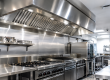
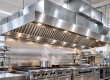
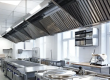
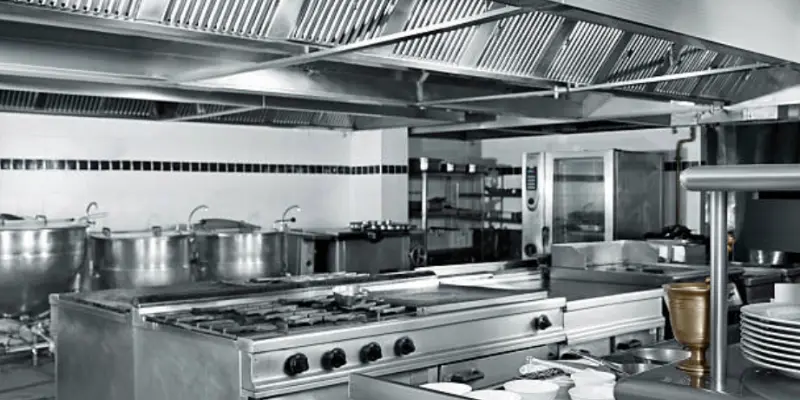
A canopy hood is an important part of ventilation in many commercial kitchens. It is positioned above cooking equipment to help capture and remove heat, smoke, steam, grease vapour and cooking odours generated during kitchen operations.
The purpose of a commercial canopy hood is not simply to provide ventilation. Its design needs to work with the cooking equipment, kitchen layout, exhaust ductwork and fan system.
The right configuration depends on the type of equipment being used, the cooking processes, the size of the kitchen and the ventilation requirements of the project.
What Is a Canopy Hood?
A canopy hood, also called a commercial exhaust canopy or commercial kitchen exhaust hood, is a ventilation hood installed above or around cooking equipment.
It forms part of a larger commercial kitchen exhaust system.
A typical system may include:
- Exhaust canopy
- Grease filters
- Exhaust ductwork
- Exhaust fan
- Air intake or make-up air
- Associated ventilation components
The canopy captures airborne heat, smoke, steam and grease produced during cooking so that these emissions can be managed through the exhaust system.
What Is the Main Purpose of a Canopy Hood?
The main purpose of a canopy hood is to capture and remove airborne contaminants generated by commercial kitchen equipment.
Depending on the cooking process, these can include:
- Heat
- Smoke
- Steam
- Grease vapour
- Cooking odours
- Other airborne emissions
The canopy is designed around the equipment below it so that the ventilation system can perform according to the requirements of the kitchen.
How Does a Commercial Canopy Hood Work?
A commercial canopy hood works as part of an exhaust system.
During cooking, hot air and airborne emissions rise from the equipment.
The canopy is positioned to capture these emissions.
Air then passes through the appropriate filtration and exhaust components before being discharged through the ductwork and exhaust system.
The exact system design depends on the equipment, cooking process, building and project requirements.
What Equipment Can Be Installed Under a Canopy Hood?
The equipment beneath a canopy can vary from one commercial kitchen to another.
Common examples include:
- Commercial cooking ranges
- Deep fryers
- Grills
- Charbroilers
- Ovens
- Wok ranges
- Griddles
- Steamers
- Braising equipment
- Other heat-producing cooking appliances
Not every appliance has identical ventilation requirements.
The equipment schedule should be reviewed before the canopy is designed or fabricated.
Why Is a Canopy Hood Important in a Commercial Kitchen?
Commercial kitchens can generate much greater levels of heat, steam, smoke and grease than a typical residential kitchen.
Without suitable ventilation, these emissions can accumulate in the working environment.
A properly designed commercial kitchen ventilation system can help manage:
Heat
Cooking equipment can generate substantial heat during normal operation.
Ventilation helps remove hot air from the cooking area.
Smoke
Grills, charbroilers, wok ranges and other cooking processes can produce smoke.
The exhaust system is designed to capture and remove these emissions.
Steam
Steam can be generated by cooking, boiling, steaming and some commercial dishwashing processes.
Ventilation planning should account for the source and volume of steam.
Grease Vapour
Deep frying, grilling and other cooking processes can generate grease-laden vapour.
Appropriate filtration and exhaust system design are important considerations for these applications.
Cooking Odours
Different cooking processes produce different odours.
A suitable exhaust system helps remove cooking-related airborne emissions from the kitchen.
Canopy Hood vs Exhaust Fan
A canopy hood and exhaust fan perform different functions.
The canopy is the capture point positioned above the relevant equipment.
The exhaust fan moves air through the ventilation system.
They need to work together.
A canopy cannot be considered separately from the ductwork and exhaust fan when planning a commercial kitchen ventilation system.
Canopy Hood vs Range Hood
The terms can vary depending on the type of kitchen and equipment being discussed.
In commercial applications, terms such as:
- Commercial range hood
- Commercial exhaust hood
- Commercial canopy hood
- Commercial exhaust canopy
may be used to describe related ventilation equipment.
The actual system requirements depend on the kitchen equipment, cooking processes and project design.
For a detailed comparison, read:
commercial range hood vs commercial exhaust canopy
What Is a Grease Filter?
Commercial canopy systems may include grease filters designed to capture grease particles from the extracted air.
Grease filtration is particularly relevant for cooking equipment that produces grease-laden vapour.
Filters need appropriate cleaning and maintenance according to the system requirements.
Regular maintenance can help keep the ventilation system operating properly.
Does Every Commercial Kitchen Need a Canopy Hood?
Not every appliance or kitchen has identical ventilation requirements.
The need for a canopy and the type of system required depend on factors such as:
- Cooking equipment
- Cooking processes
- Heat output
- Smoke production
- Steam production
- Grease generation
- Kitchen layout
- Building requirements
A ventilation assessment should be carried out according to the actual kitchen design and equipment.
How Big Should a Canopy Hood Be?
There is no single canopy size suitable for every commercial kitchen.
The required dimensions depend on the equipment beneath the canopy and the ventilation design.
When determining canopy dimensions, consider:
- Appliance width
- Appliance depth
- Equipment arrangement
- Cooking intensity
- Canopy coverage
- Available ceiling space
- Duct connection
- Access for cleaning and maintenance
The canopy should be designed around the actual equipment rather than selected purely by kitchen size.
What Happens If a Canopy Hood Is Too Small?
If a canopy does not provide appropriate coverage for the equipment, some heat, smoke, steam or grease may escape into the kitchen.
This can reduce the effectiveness of the ventilation system.
For this reason, the equipment layout should be finalised as early as possible during kitchen planning.
What Should Be Under a Commercial Canopy Hood?
The canopy should generally be planned around equipment that produces significant heat, smoke, steam or grease during operation.
This may include:
- Fryers
- Grills
- Ranges
- Ovens
- Wok burners
- Griddles
- Steamers
- Other commercial cooking equipment
The exact arrangement depends on the individual kitchen.
For more information about equipment placement, read:
what goes under a commercial kitchen exhaust canopy
Why Does Canopy Placement Matter?
The position of the canopy affects how effectively emissions can be captured.
Equipment should be positioned so that the relevant cooking emissions can enter the exhaust system.
The canopy design should take into account:
- Equipment location
- Appliance dimensions
- Kitchen layout
- Air movement
- Canopy coverage
- Duct location
- Ceiling height
Planning these details before fabrication can help avoid costly changes later.
What Is the Role of Exhaust Ductwork?
The canopy is only one part of a commercial kitchen ventilation system.
Ductwork carries extracted air from the canopy towards the exhaust discharge point.
The duct system needs to be designed around the building and ventilation requirements.
For commercial exhaust duct fabrication in Melbourne, see:
commercial exhaust duct fabrication Melbourne
What Is the Role of the Exhaust Fan?
The exhaust fan creates the airflow required to move extracted air through the system.
The fan selection needs to correspond with the overall ventilation design.
Canopy size, ductwork, filters, airflow requirements and equipment all need to be considered together.
Can a Canopy Hood Be Custom Made?
Yes.
Commercial canopy hoods can be fabricated according to the requirements of the kitchen.
Custom fabrication can take account of:
- Kitchen dimensions
- Equipment layout
- Canopy length
- Canopy depth
- Ceiling height
- Duct position
- Filter arrangement
- Installation requirements
This is particularly useful when a commercial kitchen has unusual dimensions or a specialised equipment layout.
Commercial Exhaust Canopy Melbourne
If you need a commercial exhaust canopy Melbourne businesses can use for a restaurant, café, takeaway shop or other commercial kitchen, the system should be designed around the actual cooking equipment.
CGC Stainless Steel provides commercial exhaust canopy fabrication in Melbourne.
commercial exhaust canopy Melbourne
The canopy design can be considered alongside the kitchen layout, equipment and exhaust ductwork.
Commercial Exhaust Canopy Brisbane
Commercial kitchens in Brisbane also require ventilation systems that suit the equipment and cooking processes being used.
CGC Stainless Steel provides commercial exhaust canopy solutions in Brisbane.
commercial exhaust canopy Brisbane
The appropriate canopy configuration depends on the kitchen and its specific requirements.
Canopy Hood Maintenance
A canopy hood requires regular maintenance to help keep the ventilation system in suitable working condition.
Maintenance may include:
- Cleaning grease filters
- Cleaning accessible canopy surfaces
- Inspecting ductwork
- Checking the exhaust fan
- Removing grease accumulation
- Checking ventilation components
The maintenance schedule should be appropriate for the type and frequency of kitchen use.
What Should You Consider Before Ordering a Canopy Hood?
Before requesting a canopy quotation, prepare information about the kitchen.
Useful details include:
- Kitchen floor plan
- Equipment list
- Appliance dimensions
- Cooking methods
- Fuel types
- Ceiling height
- Existing ductwork
- Existing exhaust fan
- Proposed canopy location
- Available installation space
Providing this information allows the proposed ventilation system to be considered around the actual kitchen.
Commercial Kitchen Canopy Hood Checklist
Before fabrication or installation, check:
- Have all cooking appliances been listed?
- Are the appliance dimensions accurate?
- Have fryers and grills been identified?
- Has steam-producing equipment been considered?
- Has canopy coverage been assessed?
- Has ductwork been considered?
- Has exhaust fan capacity been assessed?
- Is filter access available?
- Is maintenance access available?
- Has the complete kitchen layout been reviewed?
Get a Commercial Exhaust Canopy for Your Kitchen
A canopy hood is an important component of a commercial kitchen ventilation system, but it should be planned as part of the complete exhaust system.
The equipment, cooking processes, canopy dimensions, filters, ductwork and exhaust fan all need to work together.
CGC Stainless Steel provides commercial exhaust canopy fabrication in Melbourne and Brisbane.
If you are planning a new commercial kitchen, upgrading an existing ventilation system or replacing a canopy, provide your kitchen layout and equipment details for assessment.
Frequently Asked Questions
What is the purpose of a canopy hood?
The purpose of a canopy hood is to capture and remove heat, smoke, steam, grease vapour and cooking-related airborne emissions from commercial kitchen equipment.
What is a commercial canopy hood?
A commercial canopy hood is a ventilation hood positioned above cooking equipment and connected to an exhaust system.
Is a canopy hood the same as an exhaust canopy?
The terms are often used interchangeably in commercial kitchen discussions. The exact system and equipment depend on the kitchen’s ventilation requirements.
What equipment goes under a canopy hood?
Common equipment includes commercial ranges, fryers, grills, ovens, wok ranges, griddles and steam-producing appliances.
Does a canopy hood remove smoke?
A properly designed exhaust system can capture and remove smoke produced by suitable commercial cooking equipment.
Does a canopy hood remove steam?
Yes, commercial kitchen ventilation systems can be designed to manage steam generated by cooking and other equipment.
Do commercial fryers need an exhaust canopy?
Fryers can produce heat and grease-laden vapour, so their ventilation requirements should be considered when designing the commercial kitchen exhaust system.
Can canopy hoods be custom made?
Yes. Commercial canopy hoods can be custom fabricated around the kitchen dimensions, equipment arrangement and ventilation requirements.
What is the difference between a canopy hood and an exhaust fan?
The canopy captures airborne emissions above the equipment, while the exhaust fan moves air through the ventilation system.
Can CGC Stainless Steel provide commercial exhaust canopies in Melbourne?
Yes. CGC Stainless Steel provides commercial exhaust canopy fabrication in Melbourne.
Can CGC Stainless Steel provide commercial exhaust canopies in Brisbane?
Yes. CGC Stainless Steel provides commercial exhaust canopy solutions in Brisbane.