Yes, a rangehood can help remove heat from a kitchen, but it does not work like an air conditioner.
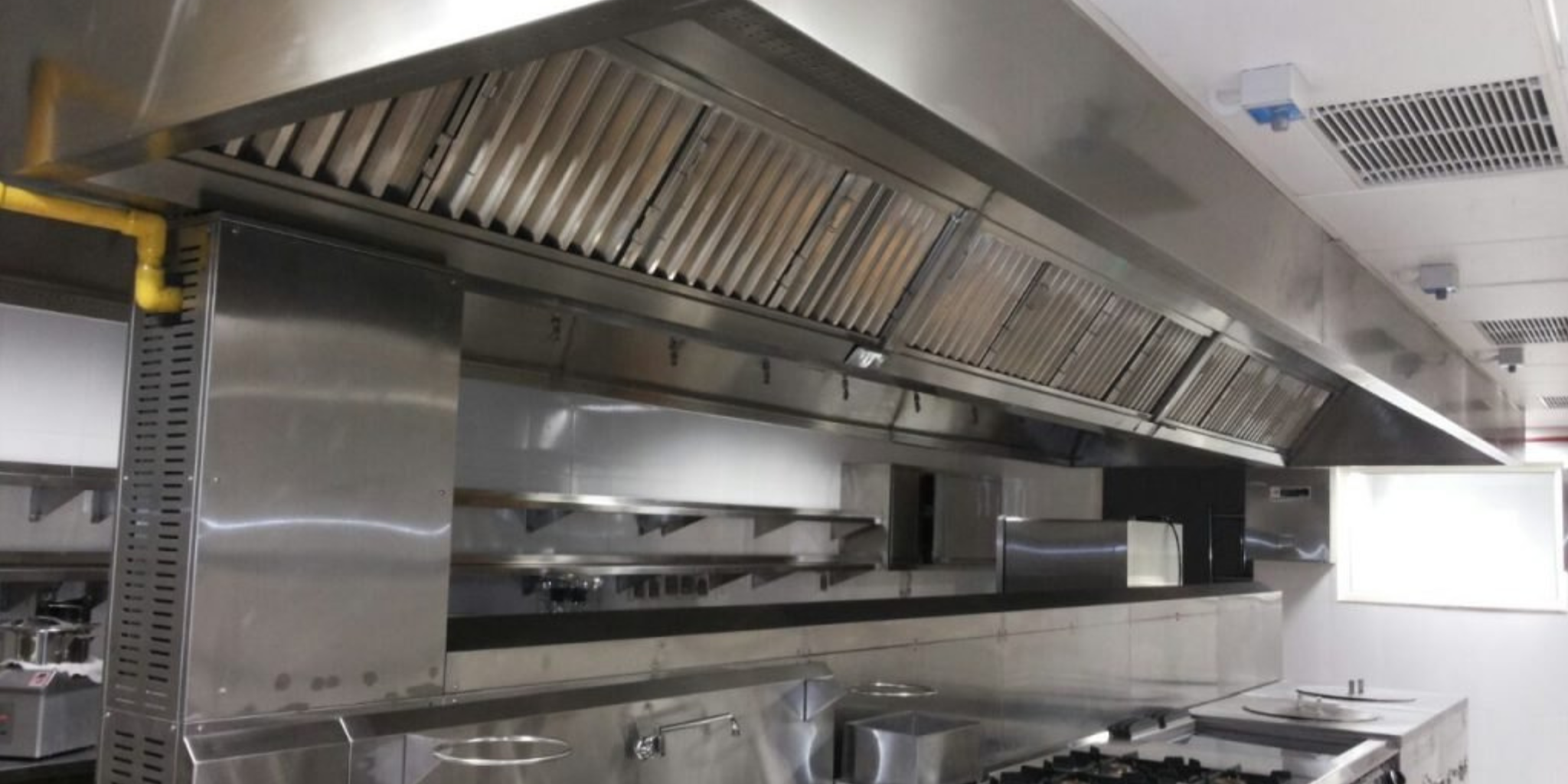
A rangehood is designed primarily to extract cooking emissions such as hot air, steam, smoke, grease vapour and cooking odours. In commercial kitchens, an exhaust canopy forms part of a larger ventilation system designed around the cooking equipment and kitchen layout.
The effectiveness of a rangehood depends on whether it is ducted, the size and type of cooking equipment, airflow, canopy coverage, ductwork and exhaust fan capacity.
How Does a Rangehood Help With Heat?
Cooking appliances release heat into the surrounding air.
A properly designed rangehood captures some of this hot air above the cooking area and removes it through the ventilation system.
This can help prevent excessive heat from accumulating around the cooking equipment.
A rangehood can help manage:
- Hot air
- Steam
- Smoke
- Grease vapour
- Cooking odours
The amount of heat removed depends on the ventilation system and the cooking equipment being used.
Does a Rangehood Actually Reduce Kitchen Temperature?
A rangehood can help reduce heat accumulation, but it does not actively cool the kitchen.
An air conditioner transfers heat from the room as part of a cooling process. A rangehood instead extracts air and cooking emissions from the cooking area.
This distinction is particularly important in commercial kitchens where several high-output appliances may operate at the same time.
Ducted vs Ductless Rangehoods for Heat
The type of rangehood makes a significant difference.
Ducted Rangehoods
A ducted rangehood extracts air and discharges it outside through ductwork.
Because hot air is removed from the building, ducted systems can be more effective at managing cooking heat.
Ductless Rangehoods
A ductless rangehood filters air and returns it to the room.
It may help remove some grease and odours, but it does not exhaust the hot air outside.
For this reason, ductless systems have limited impact on kitchen heat compared with a properly designed ducted system.
Does a Commercial Rangehood Help With Heat?
Yes, a commercial rangehood can help manage heat produced by commercial cooking equipment.
Commercial kitchens can contain multiple heat-producing appliances, including:
- Commercial ranges
- Deep fryers
- Grills
- Charbroilers
- Ovens
- Wok burners
- Griddles
- Steamers
Each appliance produces different levels of heat, steam, smoke and grease vapour.
The ventilation system should therefore be designed around the actual equipment rather than simply selecting a hood based on the size of the kitchen.
Does a Commercial Exhaust Canopy Help With Heat?
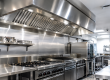
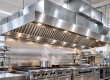
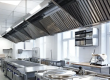
A commercial exhaust canopy is designed to capture airborne heat and other cooking emissions above suitable cooking equipment.
It forms part of a complete commercial kitchen exhaust system.
The canopy works together with components such as:
- Grease filters
- Exhaust ductwork
- Exhaust fan
- Air replacement
- Other ventilation components
A properly designed system can help remove hot air from the cooking area and reduce heat accumulation around commercial cooking equipment.
What Other Emissions Does a Rangehood Remove?
Heat is only one of the emissions generated during cooking.
Depending on the appliance and cooking process, a commercial exhaust system may also need to manage:
Steam
Boiling, steaming and some ovens can produce substantial amounts of steam.
Smoke
Grilling, charbroiling, wok cooking and high-temperature cooking can generate smoke.
Grease Vapour
Deep frying and some grilling processes produce grease-laden vapour.
Cooking Odours
Cooking produces airborne odours that can accumulate in the kitchen without suitable ventilation.
A commercial kitchen exhaust system should be designed around the specific emissions produced by the equipment.
Does a Bigger Rangehood Remove More Heat?
Not necessarily.
Simply installing a larger rangehood does not automatically make a ventilation system more effective.
The design needs to consider:
- Canopy dimensions
- Appliance arrangement
- Cooking intensity
- Exhaust airflow
- Ductwork
- Exhaust fan
- Filter arrangement
- Air movement
- Kitchen layout
The correct design is more important than simply choosing the largest hood available.
Does Rangehood Placement Affect Heat Removal?
Yes.
The position of the rangehood or exhaust canopy relative to the cooking equipment affects capture performance.
If appliances extend beyond the effective capture area, heat, smoke, steam or grease may escape into the kitchen.
This is why canopy dimensions and appliance placement should be considered together during kitchen planning.
What Appliances Produce the Most Heat?
Different commercial appliances produce different levels of heat.
Common high-heat appliances include:
- Deep fryers
- Charbroilers
- Grills
- Wok ranges
- Commercial ranges
- Griddles
- Ovens
If several of these appliances operate together, the ventilation system needs to account for their combined effect.
Does a Rangehood Cool a Commercial Kitchen?
A rangehood does not replace an air-conditioning system.
Its job is to extract hot air and cooking emissions from the cooking area.
A commercial kitchen may require both:
- Exhaust ventilation
- General room ventilation or cooling
These systems perform different functions and should be planned accordingly.
What Is Make-Up Air?
When an exhaust system removes air from a commercial kitchen, replacement air may need to be considered.
This replacement air is commonly referred to as make-up air.
The amount and method of replacement air depend on the building and ventilation design.
Make-up air should be considered when planning the complete commercial kitchen ventilation system.
Does Exhaust Ductwork Affect Heat Removal?
Yes.
The canopy is only one part of the exhaust system.
Extracted air travels through ductwork before being discharged from the building.
The ductwork therefore needs to be considered alongside:
- Canopy design
- Exhaust airflow
- Fan capacity
- Equipment arrangement
- Building layout
For commercial exhaust duct fabrication in Melbourne, see commercial exhaust duct fabrication Melbourne.
What Goes Under a Commercial Exhaust Canopy?
Cooking equipment that produces significant heat, steam, smoke or grease may need to be considered when designing the canopy.
This can include:
- Fryers
- Grills
- Ranges
- Ovens
- Wok ranges
- Griddles
- Steamers
- Other commercial cooking equipment
Read our guide on what goes under a commercial kitchen exhaust canopy for more information.
Commercial Exhaust Canopy Melbourne
If your restaurant, café or commercial kitchen is in Melbourne, the exhaust canopy should be designed around the equipment being used.
CGC Stainless Steel provides commercial exhaust canopy Melbourne solutions for commercial kitchen applications.
The canopy can be planned around the kitchen layout, appliance arrangement and exhaust system.
Commercial Exhaust Canopy Brisbane
Commercial kitchens in Brisbane also need ventilation systems that suit their cooking equipment and operating conditions.
CGC Stainless Steel provides commercial exhaust canopy Brisbane solutions for commercial kitchen applications.
The appropriate system depends on the equipment, cooking process, available space and ventilation requirements.
How Can You Reduce Heat in a Commercial Kitchen?
If your kitchen becomes excessively hot, review the complete ventilation system rather than simply installing a larger rangehood.
Consider:
- Canopy coverage
- Appliance placement
- Exhaust airflow
- Ductwork
- Exhaust fan performance
- Make-up air
- Kitchen layout
- Equipment output
- Regular maintenance
A ventilation assessment can help identify whether the existing system is suitable for the current equipment.
Rangehood Maintenance
Regular maintenance helps keep a commercial exhaust system operating properly.
Depending on the system, maintenance may include:
- Cleaning grease filters
- Cleaning canopy surfaces
- Inspecting accessible ductwork
- Checking exhaust fans
- Removing grease accumulation
- Inspecting ventilation components
Maintenance frequency should reflect the type and volume of kitchen use.
When Should You Consider Replacing a Commercial Rangehood?
An existing rangehood may need assessment when:
- New cooking equipment has been added
- The kitchen layout has changed
- Smoke escapes into the kitchen
- Excessive heat remains around cooking equipment
- The canopy no longer provides suitable coverage
- Cooking volume has increased
- The existing ventilation system has been modified
Before replacing the canopy, assess the complete exhaust system.
Final Thoughts
A rangehood can help manage heat in a kitchen by extracting hot air, steam and other cooking emissions.
A ducted system is generally more effective at removing hot air from the building than a ductless system because the extracted air is discharged outside.
For commercial kitchens, the result depends on the complete ventilation system, including the canopy, filters, ductwork, exhaust fan, appliance arrangement and air replacement.
If you are planning a new commercial kitchen or reviewing an existing exhaust system, the ventilation design should be based on the actual cooking equipment and kitchen layout.
For commercial exhaust canopy requirements, contact CGC Stainless Steel.
Frequently Asked Questions
Does a rangehood help with heat?
Yes. A rangehood can remove hot air generated by cooking and help reduce heat accumulation around the cooking area.
Does a rangehood cool the kitchen?
No. A rangehood is not an air conditioner. It extracts air and cooking emissions rather than actively cooling the room.
Is a ducted rangehood better for removing heat?
A ducted rangehood can be more effective at removing heat because hot air is discharged outside rather than returned to the kitchen.
Does a commercial exhaust canopy remove heat?
A properly designed commercial exhaust canopy can capture hot air and other cooking emissions as part of a complete exhaust system.
What commercial appliances produce the most heat?
Fryers, grills, charbroilers, wok burners, ranges, griddles and ovens can produce substantial heat. The actual output varies by appliance and operation.
Can a bigger rangehood remove more heat?
Not necessarily. Ventilation performance depends on canopy coverage, airflow, appliance placement, ductwork, fan capacity and the overall system design.
Does make-up air affect kitchen ventilation?
Yes. When significant amounts of air are exhausted, appropriate replacement air may need to be considered as part of the ventilation design.
Can CGC Stainless Steel provide commercial exhaust canopies in Melbourne?
Yes. CGC Stainless Steel provides commercial exhaust canopy solutions for commercial kitchens in Melbourne.
Can CGC Stainless Steel provide commercial exhaust canopies in Brisbane?
Yes. CGC Stainless Steel provides commercial exhaust canopy solutions for commercial kitchens in Brisbane.