
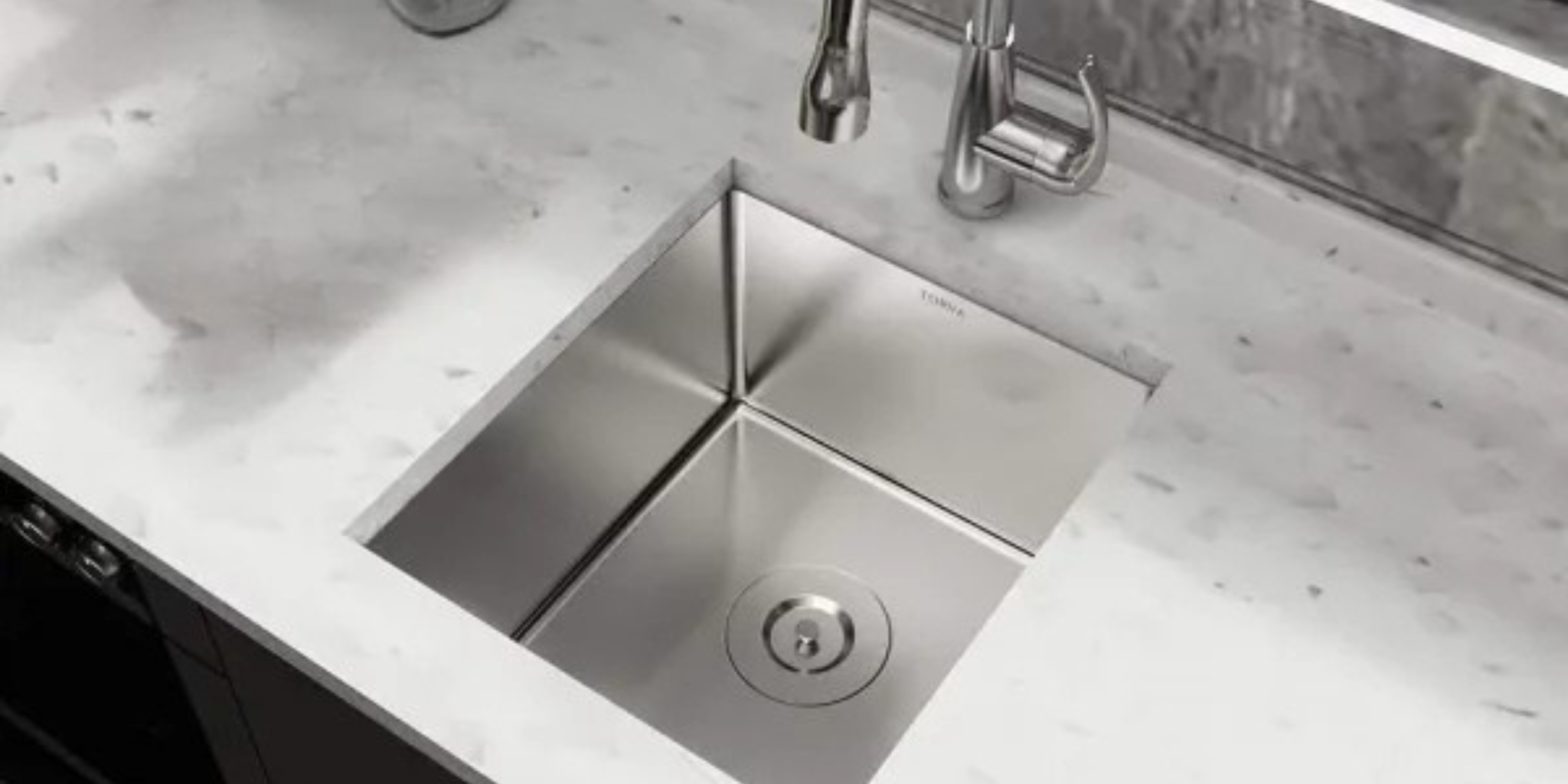
Caulking around a stainless steel kitchen sink helps seal the gap between the sink and the surrounding benchtop or kitchen surface.
A properly applied seal can help reduce water getting underneath the sink and into areas that are difficult to clean.
If the existing sealant is cracked, loose, discoloured or no longer providing a good seal, it may need to be removed and replaced.
What Is Caulking Around a Kitchen Sink?
Caulking is the process of applying a suitable sealant around the edge of a sink.
The sealant fills the small gap between the stainless steel sink and the surrounding surface.
A good seal should:
- Create a neat finish
- Reduce water penetration
- Remain flexible enough for the application
- Adhere properly to the surrounding surfaces
- Be suitable for kitchen and wet-area use
The correct product should always be selected according to the sink, benchtop material and manufacturer’s recommendations.
What Do You Need to Caulk a Stainless Steel Sink?
Before starting, prepare the required tools and materials.
You may need:
- Suitable kitchen or wet-area sealant
- Caulking gun
- Utility knife or sealant removal tool
- Cleaning cloth
- Mild cleaning solution
- Masking tape
- Scraper
- Paper towels
- Gloves
Choose a sealant that is specifically suitable for the surfaces involved and the intended kitchen application.
What Type of Caulk Should You Use Around a Stainless Steel Sink?
A kitchen-grade waterproof sealant is commonly used around sinks.
Silicone-based sealants are often selected for wet areas because they can provide a flexible water-resistant seal.
Before applying any product, check:
- Product instructions
- Compatible surfaces
- Recommended curing time
- Temperature requirements
- Cleaning instructions
- Whether it is suitable for kitchen use
Do not select a sealant based only on its appearance or price.
How to Caulk a Stainless Steel Kitchen Sink
Step 1: Remove the Old Sealant
If the sink already has caulk around the edge, remove the old material before applying a new seal.
Use a suitable scraper or sealant removal tool.
Take care not to scratch the stainless steel or damage the benchtop.
Step 2: Clean the Area
Remove dirt, grease, old sealant residue and other contaminants from the area.
The surfaces should be clean before applying new sealant.
Allow the area to dry properly.
Step 3: Apply Masking Tape
Apply masking tape along both sides of the joint.
This can help create a cleaner and more controlled seal.
Leave the gap between the tape lines exposed.
Step 4: Prepare the Sealant
Cut the sealant nozzle at an appropriate angle and size.
Load the cartridge into the caulking gun.
Avoid cutting the nozzle too large because excess sealant can make the finished joint difficult to control.
Step 5: Apply an Even Bead
Apply the sealant steadily along the joint between the stainless steel sink and benchtop.
Try to maintain consistent pressure on the caulking gun.
Avoid stopping repeatedly because this can create an uneven bead.
Step 6: Smooth the Seal
Smooth the sealant with an appropriate tool or according to the product instructions.
Work carefully so the seal fills the joint without leaving gaps.
Remove excess material before it cures.
Step 7: Remove the Masking Tape
Carefully remove the masking tape while the sealant is still workable.
Pull the tape away cleanly to avoid disturbing the finished joint.
Step 8: Allow the Sealant to Cure
Leave the sealant undisturbed for the curing period specified by the manufacturer.
Do not expose the new seal to unnecessary water or movement before it has cured.
Why Is Caulking Important Around a Stainless Steel Sink?
The area around a kitchen sink is regularly exposed to water.
Without an effective seal, water can enter the gap between the sink and surrounding surface.
Depending on the installation, this may contribute to:
- Moisture buildup
- Water damage
- Dirt accumulation
- Mould growth in surrounding areas
- Deterioration of the surrounding surface
A properly maintained seal can help protect the area around the sink.
How Often Should You Replace Sink Caulk?
There is no fixed replacement period for every sink.
Inspect the seal regularly for:
- Cracks
- Gaps
- Peeling
- Discolouration
- Loose sections
- Water getting underneath the edge
If the seal is damaged or has separated from the surface, replacement may be required.
Can You Caulk a Stainless Steel Sink Yourself?
A straightforward sink joint can often be resealed as a DIY maintenance task if the surfaces are accessible and the existing sealant can be removed properly.
More complicated installations may require professional assistance.
If the sink is integrated into a custom stainless steel workstation, has unusual dimensions or requires fabrication work, a stainless steel fabricator should assess the installation.
What If Water Is Getting Under the Sink?
If water is entering beneath the sink, inspect the seal and the surrounding installation.
The problem may be caused by:
- Failed sealant
- A gap around the sink
- Movement of the sink
- Poor installation
- Damage to the surrounding surface
- Plumbing leaks
Replacing the caulk will not fix every type of water leak.
If the problem is related to plumbing, consult a qualified plumber.
How Do You Clean Around a Caulked Stainless Steel Sink?
Use suitable mild cleaning products and avoid damaging the seal.
For routine cleaning:
- Remove food residue.
- Wipe the sink and surrounding area.
- Clean the seal gently.
- Rinse away cleaning residue.
- Dry the area.
Avoid aggressive scrubbing directly over the seal.
For more stainless steel cleaning advice, read Can You Clean a Stainless Steel Sink With Bleach?.
How Do You Keep a Stainless Steel Sink in Good Condition?
Regular cleaning and inspection can help maintain a stainless steel sink.
Avoid:
- Harsh abrasive materials
- Steel wool
- Leaving strong chemicals on the surface
- Allowing food residue to build up
- Ignoring damaged sealant
For more information, read Which Kitchen Sinks Are Easiest to Keep Clean?.
Stainless Steel Sink Installation and Custom Fabrication
Caulking is only one part of a properly installed sink.
The sink design, dimensions, mounting method, surrounding bench and drainage all affect the final installation.
For commercial kitchens, custom fabrication can allow the sink to be designed around the available space and workflow.
CGC Stainless Steel provides stainless steel sink Melbourne solutions for commercial kitchen applications.
Custom Stainless Steel Sinks Melbourne
A custom stainless steel sink can be manufactured to suit specific kitchen requirements.
Depending on the project, custom fabrication can include:
- Custom sink dimensions
- Single or multiple bowls
- Integrated drainers
- Custom drainage positions
- Splashbacks
- Bench integration
- Custom workstations
This can be useful when a standard off-the-shelf sink does not fit the available kitchen space.
Stainless Steel Sinks for Commercial Kitchens
Commercial kitchens need practical equipment that can handle frequent use and regular cleaning.
Stainless steel sinks are widely used in commercial kitchens because they can be fabricated in different sizes and configurations.
A commercial sink may be designed around:
- Food preparation
- Washing requirements
- Available floor space
- Bench layout
- Drainage
- Staff workflow
- Cleaning procedures
If you are planning a commercial kitchen, the sink should be considered alongside the rest of the stainless steel fabrication.
Stainless Steel Sink and Bench Integration
A sink can be designed as part of a larger stainless steel bench or workstation.
This can help create a more practical preparation and washing area.
See our commercial stainless steel benches Melbourne service for commercial kitchen bench fabrication.
How to Choose a Quality Stainless Steel Sink
If you are replacing a sink rather than simply resealing an existing one, consider:
- Stainless steel grade
- Material thickness
- Sink dimensions
- Bowl configuration
- Bowl depth
- Surface finish
- Drain position
- Installation method
- Fabrication quality
For a useful buying checklist, read 7 Tips to Choose a Quality Stainless Steel Sink.
For information about stainless steel grades, see What Is the Best Grade Stainless Steel for Kitchen Sinks?.
Get a Stainless Steel Sink Designed for Your Kitchen
Caulking can help maintain the seal around an existing stainless steel sink, but the overall sink installation also matters.
If your existing sink is damaged, poorly fitted or unsuitable for your kitchen layout, replacing it with a properly designed stainless steel sink may be a better option.
CGC Stainless Steel provides custom stainless steel sink fabrication for commercial kitchen applications.
View stainless steel sink services or contact CGC Stainless Steel to discuss your requirements.
Frequently Asked Questions
What is the best caulk for a stainless steel kitchen sink?
Use a sealant that is specifically suitable for kitchen wet areas and compatible with stainless steel and the surrounding benchtop material. Follow the manufacturer’s instructions.
Can you caulk around a stainless steel sink?
Yes. A suitable kitchen sealant can be applied around the joint between a stainless steel sink and its surrounding surface.
How do you remove old caulk from a stainless steel sink?
Use a suitable sealant removal tool or scraper carefully. Avoid scratching the stainless steel or damaging the surrounding benchtop.
How long does sink caulk take to cure?
Curing time varies between products. Follow the sealant manufacturer’s instructions before exposing the joint to water.
How often should sink caulk be replaced?
There is no fixed schedule. Inspect the seal regularly and replace it when it cracks, separates, peels or no longer provides an effective seal.
Can water get under a stainless steel sink?
Yes. Water can enter through a failed seal, installation gap or other problem around the sink. Plumbing leaks can also cause water to appear beneath the sink.
Can I reseal a stainless steel sink myself?
A simple accessible joint may be suitable for DIY resealing. Complex custom installations may require professional assessment.
Are stainless steel sinks good for commercial kitchens?
Yes. Stainless steel sinks are widely used in commercial kitchens because they can be fabricated to suit different sizes, layouts and workflows.
Can a stainless steel sink be custom made?
Yes. Custom stainless steel sinks can be fabricated to specific dimensions and configurations.
Where can I get a custom stainless steel sink in Melbourne?
CGC Stainless Steel provides custom stainless steel sink fabrication for commercial kitchen applications in Melbourne.