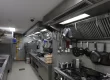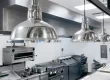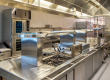
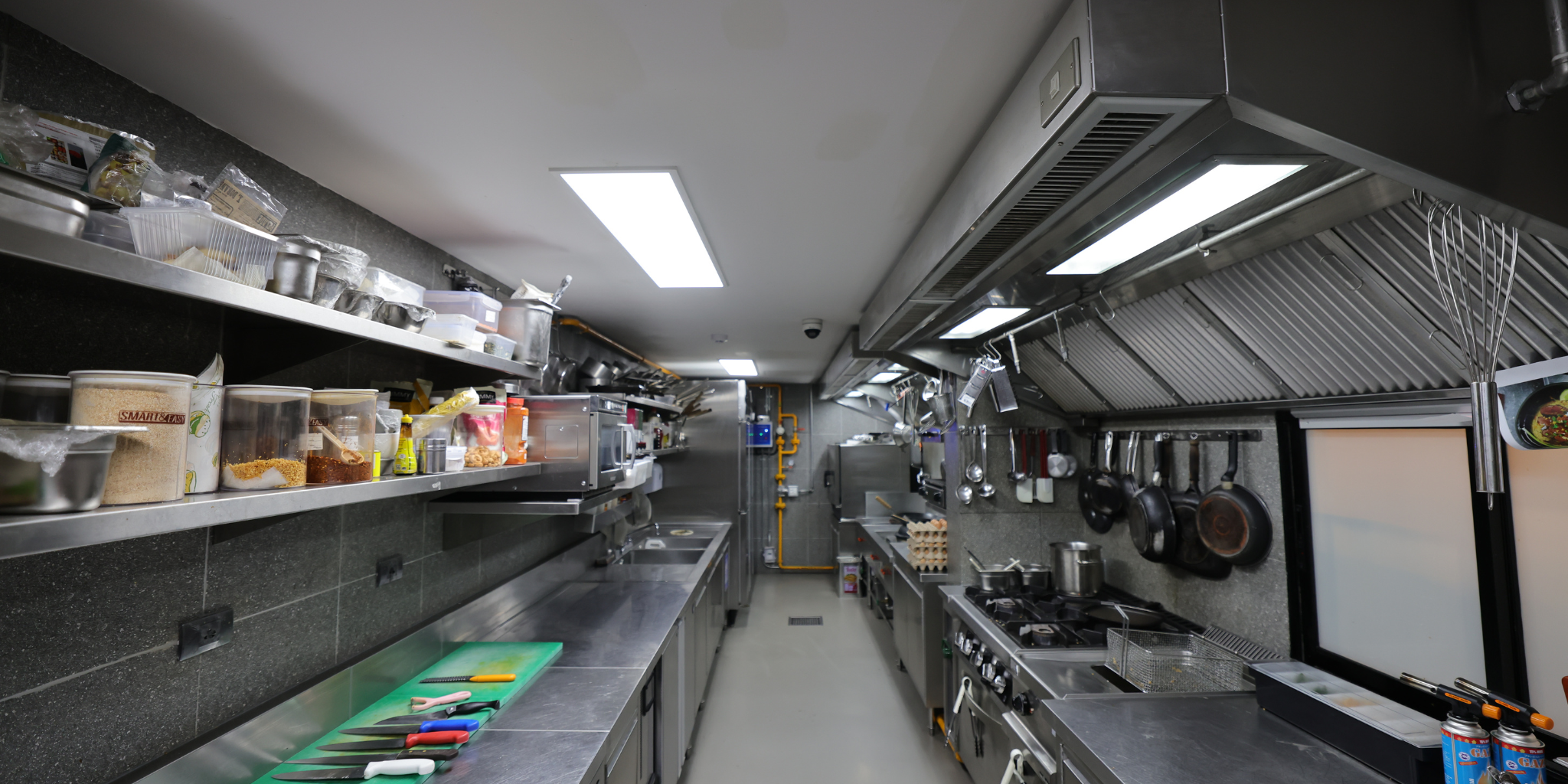
Every time cooking equipment is used, grease vapours rise into the rangehood system. Over time, grease settles on:
- Filters
- Hood canopy surfaces
- Internal ducting
- Exhaust fans
High-heat cooking such as frying, grilling, and wok use accelerates this process. Without regular cleaning, grease layers thicken rapidly.
Why Grease Is a Major Fire Hazard
Grease is highly flammable. Once it builds up inside a commercial rangehood Brisbane system, it becomes a serious ignition source.
Common fire triggers include:
- Open flames from cooktops
- High cooking temperatures
- Electrical faults in exhaust fans
- Sparks from equipment
When grease ignites inside ducting, fires can spread quickly and become difficult to control.
How Grease Build-Up Spreads Fire Faster
A fire inside a grease-filled rangehood does not stay contained. Grease-lined ducting acts like fuel, allowing flames to travel through the ventilation system and into roof spaces.
This can lead to:
- Extensive property damage
- Structural fire spread
- Longer fire response times
- Complete business shutdown
Melbourne fire authorities treat grease-related fires as high risk for this reason.
Impact on Melbourne Fire Safety Compliance
Fire inspectors and councils in Melbourne check commercial kitchens for grease accumulation during inspections. Excessive grease build-up can result in:
- Failed fire safety inspections
- Immediate cleaning notices
- Fines or penalties
- Temporary closure orders
A compliant commercial rangehood Melbourne setup must allow proper cleaning access and regular maintenance.
Grease Build-Up and Insurance Claims
Many insurance policies require commercial kitchens to maintain ventilation systems properly. If a fire occurs and grease build-up is identified as a cause, insurers may reduce or reject claims.
Maintaining a clean commercial rangehood:
- Supports insurance requirements
- Reduces liability exposure
- Shows responsible business operation
Health and Air Quality Risks Linked to Grease
Beyond fire risk, grease build-up also affects kitchen air quality. It can cause:
- Strong odours
- Slippery surfaces
- Bacteria growth
- Reduced airflow efficiency
Poor airflow makes the rangehood less effective, which increases both safety and health concerns.
How Often Should Commercial Rangehoods Be Cleaned in Melbourne?
Cleaning frequency depends on cooking volume and equipment type. As a general guide:
- High-use kitchens: every 1–3 months
- Medium-use kitchens: every 3–6 months
- Low-use kitchens: at least every 6 months
Local council officers and fire authorities may require documented cleaning schedules.
Signs Your Commercial Rangehood Is a Fire Risk
Warning signs include:
- Thick grease on filters or canopy
- Dripping grease from the hood
- Smoke lingering in the kitchen
- Reduced exhaust performance
- Strong burnt smells
If any of these are present, immediate cleaning is required.
Preventing Fire Risk from Grease Build-Up
To reduce fire risk:
- Install a correctly sized commercial rangehood
- Use approved grease filters
- Schedule professional cleaning
- Keep maintenance records
- Ensure ducting is accessible
A well-maintained commercial rangehood Melbourne protects both safety and compliance.
Final Thoughts
Grease build-up inside commercial rangehoods is not just a maintenance issue — it is a serious fire hazard. Many kitchen fires in Melbourne start due to neglected ventilation systems.
Regular cleaning, proper installation, and ongoing maintenance are essential for fire safety, inspections, and uninterrupted business operation.