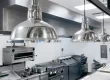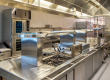
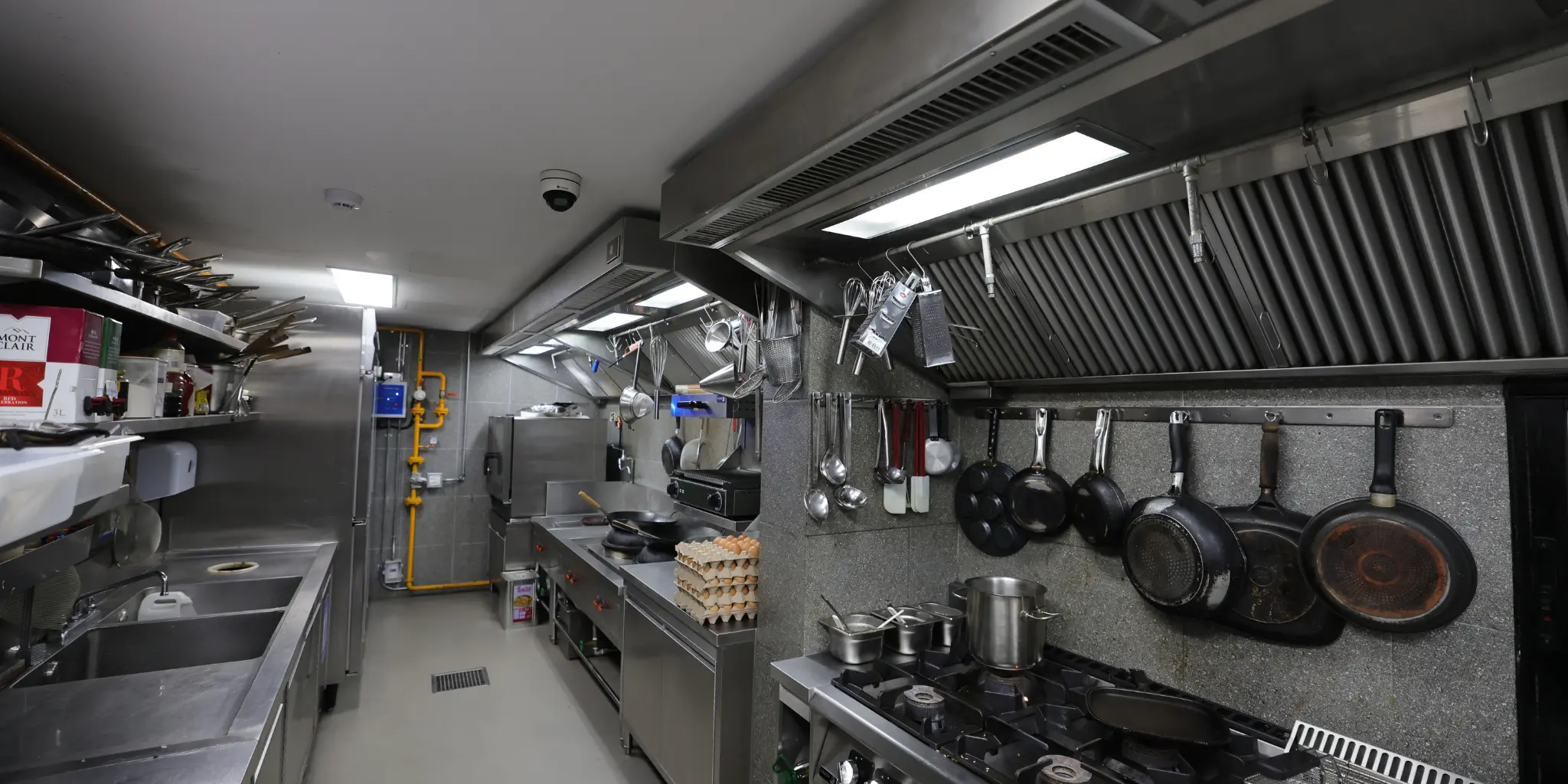
Running a restaurant or café comes with strict kitchen ventilation rules. One of the most common reasons businesses fail health or fire inspections is improper ventilation. A compliant commercial rangehood plays a major role in meeting safety, hygiene, and council standards.
This guide explains what food businesses need to know, how compliance is checked, and the risks of getting it wrong.
Why Commercial Rangehood Compliance Matters
Queensland Health and fire safety authorities all require commercial kitchens to control heat, smoke, grease, and airborne contaminants. A correctly designed and installed commercial rangehood helps by:
- Removing grease-laden vapours
- Improving indoor air quality
- Reducing fire risk
- Supporting safe working conditions for staff
Non-compliance can lead to failed inspections, fines, forced shutdowns, or insurance issues.
Regulations for Commercial Kitchen Ventilation
Commercial kitchens must follow:
- AS 1668.1 & AS 1668.2 for ventilation and air conditioning
- Queensland Development Code
- Food Safety Standards under Queensland Health
- Fire safety requirements for grease extraction systems
Your commercial rangehood must match the size and type of cooking equipment underneath it and connect to a suitable ducting and exhaust system.
What Inspectors Check During Compliance Reviews
During inspections, authorities often focus on:
- Hood size and coverage over cooking appliances
- Airflow capacity and extraction rate
- Grease filters and their condition
- Ducting layout and discharge point
- Fire suppression system integration
- Cleaning and maintenance records
A poorly maintained or undersized system is one of the fastest ways to fail a compliance check.
Common Compliance Issues in Cafés and Restaurants
Many venues face problems such as:
- Domestic rangehoods used in commercial kitchens
- Inadequate airflow for high-heat cooking
- Grease buildup inside ducts
- Exhaust outlets positioned too close to neighbouring buildings
- Missing service logs for cleaning
Each of these can trigger enforcement action.
Commercial Rangehood Installation vs Other Cities
Some businesses operating across states ask about differences in setup. While follows Queensland codes, many suppliers also install systems interstate. For example, designs used for an exhaust canopy melbourne installation often differ due to Victorian regulations, climate considerations, and council guidelines.
Using a provider familiar with standards helps avoid costly rework.
Cleaning and Maintenance Requirements
Compliance does not end after installation. businesses are expected to keep systems clean and functional.
Best practices include:
- Regular filter cleaning
- Scheduled duct and fan cleaning
- Maintaining service reports
- Immediate repairs when airflow drops
These steps also extend equipment life and reduce fire hazards.
Choosing a Compliant Commercial Rangehood
When selecting a commercial rangehood Melbourne, consider:
- Cooking style and equipment heat load
- Kitchen layout and ceiling height
- Required extraction rate
- Fire safety integration
- Local council approval needs
Working with experienced commercial ventilation specialists ensures the system meets inspection standards from day one.
Final Thoughts
Compliance is not just about ticking boxes. A properly installed and maintained commercial rangehood Brisbane protects staff, customers, and the business itself. Restaurant and café owners who invest in the right system avoid downtime, penalties, and long-term safety risks.