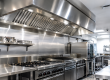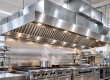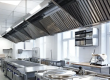
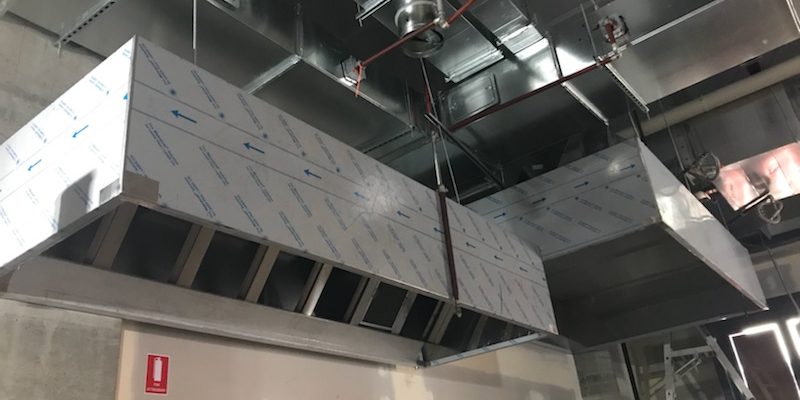
A commercial range hood is an important part of a restaurant, café, takeaway shop, bakery or commercial kitchen ventilation system.
Commercial cooking produces smoke, heat, grease vapours, steam and cooking odours. A suitably designed exhaust system helps capture these contaminants and remove them from the kitchen.
Choosing a commercial range hood is not simply about selecting a hood that fits above the cooking equipment. The canopy, filters, exhaust fan, ductwork and discharge all need to work together and suit the cooking operation.
This guide explains what restaurants and cafés should consider when choosing a commercial range hood.
What Is a Commercial Range Hood?
A commercial range hood is an extraction hood installed above commercial cooking equipment.
Depending on the kitchen, the complete system may include:
-
Stainless steel exhaust canopy
-
Grease filters
-
Exhaust ductwork
-
Exhaust fan
-
Exhaust discharge
-
Replacement or makeup air
-
Controls and associated ventilation components
The exact design depends on the cooking equipment, kitchen layout, building and applicable requirements.
How Does a Commercial Range Hood Work?
When cooking equipment operates, heat, smoke, steam, grease vapours and other airborne contaminants rise above the cooking area.
The commercial range hood captures these contaminants.
The exhaust system then transfers the extracted air through the filters and ductwork before discharging it through the appropriate outlet.
The system should be designed around the actual cooking operation rather than simply the size of the kitchen.
Commercial Range Hood vs Commercial Exhaust Canopy
The terms commercial range hood and commercial exhaust canopy are often used interchangeably.
A commercial exhaust canopy is generally the canopy structure positioned above the cooking equipment, while the complete extraction system can include filters, ductwork, exhaust fans and other ventilation components.
If you are unsure which term applies to your project, read Commercial Range Hood vs Commercial Exhaust Canopy: What’s the Difference?.
Why Do Restaurants Need Commercial Range Hoods?
Commercial cooking can generate substantial amounts of:
-
Heat
-
Smoke
-
Grease
-
Steam
-
Cooking odours
-
Airborne cooking contaminants
A suitable exhaust system can help control these contaminants and create a more comfortable working environment.
It can also form part of the wider kitchen ventilation and safety strategy.
Types of Cooking Equipment Under a Commercial Range Hood
The cooking equipment underneath the canopy affects the design of the exhaust system.
Examples include:
-
Deep fryers
-
Grills
-
Chargrills
-
Gas cooktops
-
Electric cooktops
-
Woks
-
Ovens
-
Combinations of cooking appliances
Different appliances produce different amounts and types of heat, smoke and grease.
This is why commercial range hood selection should be based on the cooking equipment rather than choosing a standard hood size without assessing the kitchen.
What Size Commercial Range Hood Do You Need?
The correct canopy size depends on the cooking line and the equipment installed underneath it.
When planning the size, consider:
-
Width of cooking equipment
-
Depth of cooking equipment
-
Arrangement of appliances
-
Cooking load
-
Canopy height
-
Kitchen ceiling height
-
Available duct route
-
Exhaust airflow
The canopy should provide suitable coverage over the cooking equipment so that cooking contaminants can be captured effectively.
Commercial Range Hood Filters
Grease filters are an important part of many commercial kitchen exhaust systems.
They help capture grease particles before extracted air travels through the exhaust system.
Filters should be:
-
Correctly fitted
-
Suitable for the exhaust system
-
Accessible for cleaning
-
Maintained regularly
Dirty filters can restrict airflow and increase grease accumulation.
For maintenance advice, read Commercial Range Hood Maintenance Tips for Melbourne Kitchens.
Commercial Range Hood Ductwork
Ductwork transfers extracted air from the commercial range hood to the exhaust discharge point.
The duct route should be considered during the early design stage.
Important considerations can include:
-
Available ceiling space
-
Duct dimensions
-
Route length
-
Access for maintenance
-
Connection to the exhaust fan
-
Exhaust discharge location
-
Building structure
CGC Stainless Steel provides commercial exhaust duct fabrication for commercial kitchen projects.
Commercial Exhaust Fans
The exhaust fan moves air through the commercial kitchen extraction system.
Fan selection should be based on the requirements of the complete system rather than selecting a fan separately from the canopy and ductwork.
A ventilation professional can assess the required airflow and system configuration for the cooking operation.
Commercial Kitchen Ventilation
A commercial range hood is only one part of commercial kitchen ventilation.
The complete system may need to address:
-
Extraction
-
Replacement air
-
Heat
-
Smoke
-
Grease
-
Steam
-
Cooking odours
-
Exhaust discharge
For Brisbane projects, see our guide to commercial kitchen ventilation requirements Brisbane.
How to Choose a Commercial Range Hood
Before ordering a commercial range hood, consider the following.
1. Identify the Cooking Equipment
Make a complete list of the appliances that will operate under the canopy.
2. Assess the Cooking Load
Consider how often the kitchen will operate and how much grease, smoke and heat the cooking process produces.
3. Measure the Cooking Line
The canopy needs to provide suitable coverage over the cooking equipment.
4. Plan the Duct Route
Check where the exhaust duct can run before finalising the canopy design.
5. Consider the Exhaust Fan
The fan should suit the requirements of the complete extraction system.
6. Plan for Maintenance
Filters, canopy surfaces, ductwork and other components need suitable access for cleaning and servicing.
7. Consider the Building
Ceiling height, roof access, structural conditions and the available duct route can affect the design.
8. Check Applicable Requirements
The project may be subject to building, ventilation, fire safety, food premises and other applicable requirements.
Commercial Range Hood Installation
Commercial range hood installation involves more than attaching a canopy above cooking equipment.
The installation may involve:
-
Canopy positioning
-
Filter installation
-
Ductwork
-
Exhaust fan
-
Electrical connections
-
Exhaust discharge
-
Replacement air
-
Access for maintenance
The installation should be planned around the complete ventilation system.
For Brisbane businesses, see our commercial exhaust canopy installation guide.
Custom Commercial Range Hoods
Every commercial kitchen has different equipment, dimensions and operating requirements.
Custom stainless steel fabrication can be useful where a standard canopy does not suit the kitchen.
Custom solutions can accommodate:
-
Different canopy widths
-
Multiple cooking appliances
-
Restricted ceiling space
-
Unusual kitchen layouts
-
Specific duct routes
-
Custom stainless steel requirements
CGC Stainless Steel provides custom stainless steel fabrication for commercial kitchen projects.
Commercial Range Hood Maintenance
A commercial range hood needs ongoing cleaning and maintenance after installation.
Maintenance can include:
-
Filter cleaning
-
Canopy cleaning
-
Grease inspection
-
Duct inspection
-
Exhaust fan servicing
-
Airflow checks
-
Repairs where required
Grease accumulation should be monitored because heavy grease deposits can affect system performance and increase fire risk.
For more information, read What Causes Grease Build-Up in Commercial Range Hoods?.
How Often Should a Commercial Range Hood Be Cleaned?
There is no single cleaning frequency suitable for every restaurant or café.
The appropriate schedule depends on:
-
Type of cooking
-
Cooking volume
-
Operating hours
-
Grease production
-
Exhaust system design
-
Applicable maintenance requirements
A high-volume restaurant using fryers and grills may need more frequent cleaning than a café with lighter cooking.
Commercial Range Hood Compliance
Commercial kitchen ventilation systems may need to meet applicable Australian Standards, building requirements, fire safety requirements and other project-specific conditions.
The exact requirements depend on the premises, equipment, ventilation design and approvals involved.
For Brisbane businesses, our Commercial Range Hood Compliance guide provides additional information.
Common Commercial Range Hood Problems
Commercial kitchens may experience problems such as:
Poor Airflow
Dirty filters, restricted ductwork or issues with the exhaust fan can affect airflow.
Excessive Heat
Poor extraction can allow heat to remain around the cooking area.
Smoke Escaping Into the Kitchen
Smoke that is not being captured effectively may indicate an issue with the canopy, airflow or overall system.
Grease Accumulation
Grease can collect on filters, canopy surfaces, ductwork and exhaust components.
Strong Cooking Odours
Persistent odours can indicate that the extraction system requires inspection or maintenance.
Commercial Range Hood for a Small Restaurant
Small restaurants often have limited space for canopy installation and ductwork.
Before selecting a system, consider:
-
Available ceiling space
-
Cooking equipment
-
Canopy dimensions
-
Duct route
-
Exhaust fan position
-
Maintenance access
A smaller kitchen still needs a ventilation system suitable for its cooking operation.
For Melbourne businesses, see Best Commercial Range Hood Solutions for Small Restaurants in Melbourne.
Commercial Range Hood Cost
The cost of a commercial range hood varies depending on the project.
Factors can include:
-
Canopy dimensions
-
Stainless steel specifications
-
Filters
-
Ductwork
-
Exhaust fan
-
Installation
-
Building access
-
Duct route
-
Custom fabrication
-
Project requirements
For Brisbane businesses looking at pricing factors, read Commercial Range Hood Cost Brisbane.
Commercial Range Hood for Melbourne Kitchens
Melbourne restaurants, cafés and commercial kitchens may require custom exhaust solutions based on their cooking equipment and building layout.
CGC Stainless Steel provides custom commercial exhaust canopy Melbourne solutions for commercial kitchens.
Commercial Exhaust Canopy Brisbane
CGC Stainless Steel also provides custom commercial exhaust canopy Brisbane solutions.
The canopy can be designed around the cooking equipment, available space and wider exhaust system.
Commercial Range Hood Selection Checklist
Before choosing a commercial range hood, check:
-
Cooking equipment identified
-
Cooking load assessed
-
Canopy dimensions measured
-
Filter requirements considered
-
Exhaust airflow assessed
-
Duct route planned
-
Exhaust fan considered
-
Exhaust discharge planned
-
Maintenance access provided
-
Applicable requirements reviewed
Final Thoughts
The right commercial range hood should be selected as part of a complete kitchen exhaust system.
Restaurants and cafés need to consider their cooking equipment, cooking volume, canopy size, filters, ductwork, exhaust fan, discharge and maintenance requirements before fabrication and installation.
A properly planned system can help control smoke, heat, grease, steam and cooking odours while providing a more suitable working environment for commercial kitchen staff.
If you need a custom commercial exhaust canopy for your restaurant, café or commercial kitchen, contact CGC Stainless Steel to discuss your project.
Frequently Asked Questions
What is a commercial range hood?
A commercial range hood is an extraction hood installed above commercial cooking equipment to capture and remove heat, smoke, grease vapours, steam and other cooking contaminants.
What is the difference between a range hood and exhaust canopy?
The terms are often used interchangeably. A commercial exhaust canopy generally refers to the canopy positioned above the cooking equipment, while the complete extraction system can include filters, ductwork, exhaust fans and other components.
What type of range hood does a restaurant need?
The correct system depends on the cooking equipment, cooking volume, canopy dimensions, airflow requirements, duct route and building conditions.
Do commercial range hoods need filters?
Many commercial exhaust systems use grease filters to capture grease particles before air enters the exhaust ductwork.
Does a commercial range hood need ductwork?
A commercial extraction system generally uses ductwork to transfer extracted air from the canopy to the exhaust discharge point.
How often should commercial range hoods be cleaned?
Cleaning frequency depends on the type and volume of cooking, grease production, operating hours and the requirements of the ventilation system.
Can commercial range hoods be custom made?
Yes. Custom stainless steel fabrication can allow a commercial exhaust canopy to suit the cooking equipment and kitchen layout.
How much does a commercial range hood cost?
The cost depends on canopy size, stainless steel specifications, filters, ductwork, exhaust fan, installation and project complexity.
Does CGC Stainless Steel supply commercial exhaust canopies?
Yes. CGC Stainless Steel provides custom commercial exhaust canopy solutions for commercial kitchens in Melbourne and Brisbane.