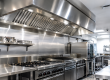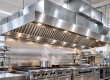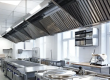
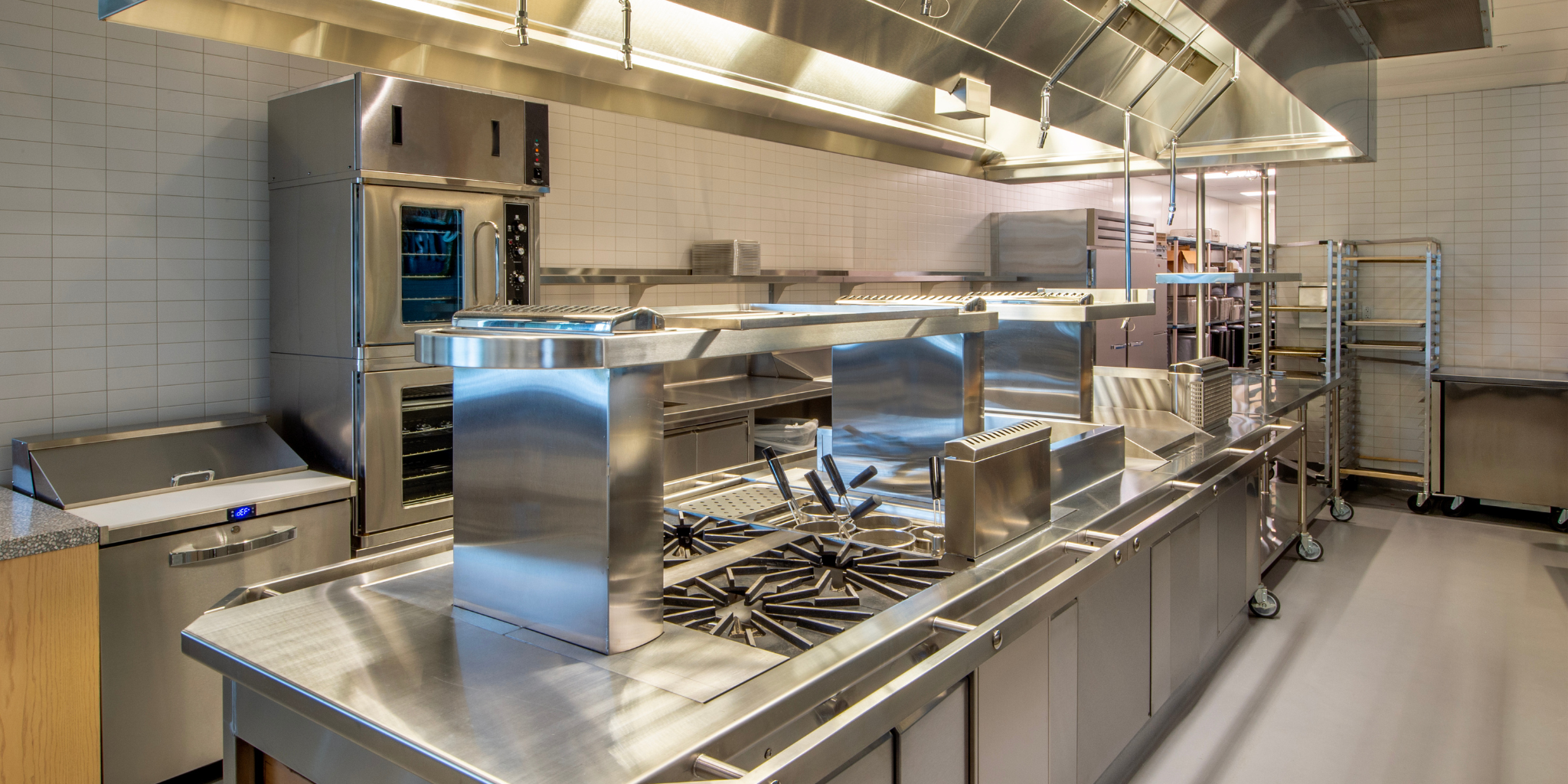
Choosing the right commercial exhaust canopy or range hood is an important part of planning a commercial kitchen.
The correct system needs to suit the cooking equipment, kitchen layout, available space and ventilation requirements. A canopy that is too small, incorrectly positioned or poorly connected to the exhaust system may not capture cooking fumes effectively.
This guide explains what to consider when choosing a commercial exhaust canopy or range hood for a restaurant, café, takeaway shop, food venue or other commercial kitchen.
What Is a Commercial Exhaust Canopy?
A commercial exhaust canopy is installed above cooking equipment to capture and remove heat, smoke, grease, steam, cooking fumes and odours.
The canopy forms part of a larger commercial kitchen ventilation system that can include:
- Grease filters
- Exhaust ductwork
- Exhaust fans
- Discharge outlets
- Replacement or makeup air
- Controls and other ventilation components
The canopy should be designed as part of the complete system rather than treated as an individual piece of equipment.
Commercial Exhaust Canopy vs Commercial Range Hood
The terms commercial exhaust canopy and commercial range hood are often used to describe commercial kitchen extraction equipment.
The main consideration is how the system will capture contaminated air from the cooking equipment and transfer it safely through the exhaust system.
If you are unsure which option is appropriate for your kitchen, read our guide to Commercial Range Hood vs Commercial Exhaust Canopy.
1. Consider Your Cooking Equipment
The type of cooking equipment is one of the main factors when selecting a commercial exhaust canopy.
Your kitchen may include:
- Deep fryers
- Griddles
- Chargrills
- Gas cooktops
- Electric cooktops
- Ovens
- Woks
- Combination cooking equipment
Different cooking processes produce different levels of heat, grease, smoke and steam.
The exhaust system should be designed around the actual cooking equipment rather than selecting a canopy based only on its dimensions.
2. Choose the Correct Canopy Size
The canopy needs to provide suitable coverage over the cooking equipment.
If the canopy does not adequately cover the cooking line, cooking fumes may escape into the kitchen instead of being captured.
When determining the appropriate canopy size, consider:
- Cooking equipment dimensions
- Equipment arrangement
- Canopy height
- Kitchen layout
- Cooking processes
- Available ceiling space
- Required airflow
A commercial kitchen ventilation specialist can assess the cooking line and determine the appropriate canopy configuration.
3. Consider the Canopy Design
Commercial exhaust canopies can be designed in different configurations depending on the kitchen.
Common considerations include:
- Wall-mounted installation
- Island-style installation
- Custom dimensions
- Filter configuration
- Lighting
- Stainless steel finish
- Access for cleaning and maintenance
The canopy should suit both the cooking equipment and the available kitchen space.
4. Select Suitable Stainless Steel
Stainless steel is widely used for commercial kitchen exhaust canopies because it provides a durable and cleanable surface.
The material specification should be selected according to the project requirements.
CGC Stainless Steel manufactures custom commercial exhaust canopies using stainless steel for commercial kitchen applications.
For Melbourne projects, see our commercial exhaust canopy Melbourne service.
5. Check the Filter System
Filters are an important part of a commercial exhaust canopy.
They help capture grease and other contaminants before exhaust air moves into the duct system.
The appropriate filter arrangement depends on the cooking equipment and ventilation system.
Filters also need regular cleaning and maintenance to maintain suitable system performance.
6. Consider Exhaust Ducting
The canopy needs to connect to an appropriate exhaust duct system.
The duct provides the route for extracted air to move from the canopy toward the discharge point.
Duct design can affect:
- Airflow
- Pressure
- System performance
- Noise
- Maintenance access
- Grease management
For commercial kitchen projects requiring custom duct fabrication, see our commercial exhaust duct fabrication Melbourne service.
7. Choose the Exhaust Fan as Part of the Complete System
The exhaust fan should be selected according to the overall ventilation design.
The fan, canopy and ductwork work together, so changing one component can affect the performance of the entire system.
Fan selection may need to consider:
- Required airflow
- Duct length
- Duct configuration
- Pressure losses
- Discharge arrangement
- Kitchen operating conditions
A suitable system should be assessed as a complete installation rather than choosing the fan separately.
8. Think About Replacement Air
A commercial exhaust system removes air from the kitchen.
Replacement air may therefore need to be considered as part of the ventilation design.
If insufficient replacement air is available, the kitchen may experience negative pressure that can affect doors, combustion equipment and exhaust performance.
The appropriate replacement-air arrangement depends on the building and ventilation system.
9. Consider Cleaning and Maintenance
A commercial exhaust canopy operates in an environment where grease, smoke, heat and food particles are present.
The system should therefore allow practical access for cleaning and maintenance.
Consider:
- Removable filters
- Accessible surfaces
- Duct access
- Fan maintenance
- Grease management
- Routine inspections
Regular maintenance helps keep the system operating as intended.
10. Check Ventilation and Compliance Requirements
Commercial kitchen ventilation needs to be designed with applicable Australian requirements and the specific building conditions in mind.
The relevant requirements can depend on the cooking equipment, building, ventilation arrangement and installation.
Before ordering a commercial exhaust canopy, have the proposed system assessed by appropriately qualified professionals.
For Brisbane businesses, see our guide to commercial kitchen ventilation requirements Brisbane.
11. Consider the Kitchen Layout
The canopy should work with the complete kitchen layout.
Consider the position of:
- Cooking equipment
- Preparation benches
- Refrigeration
- Sinks
- Walkways
- Doors
- Windows
- Ceiling structures
- Exhaust duct routes
A canopy that looks suitable on paper may not work well if the duct route or surrounding kitchen layout has not been considered.
12. Decide Whether You Need a Custom Canopy
Standard equipment does not suit every commercial kitchen.
Custom fabrication may be useful when you have:
- Unusual kitchen dimensions
- Multiple cooking appliances
- Limited ceiling space
- Restricted duct routes
- Special canopy dimensions
- Custom filter requirements
- Integrated lighting requirements
Custom fabrication allows the canopy to be designed around the actual kitchen.
Commercial Exhaust Canopy Melbourne
If you operate a commercial kitchen in Melbourne, the exhaust canopy should be designed around your cooking equipment, kitchen layout and ventilation requirements.
CGC Stainless Steel provides custom commercial exhaust canopy Melbourne solutions for commercial kitchens.
The project can be planned around the canopy, exhaust ducting and other stainless steel fabrication requirements.
Commercial Exhaust Canopy Brisbane
Brisbane commercial kitchens also need ventilation systems designed around their individual cooking operations and building requirements.
CGC Stainless Steel provides commercial exhaust canopy Brisbane services.
For more information about Brisbane ventilation considerations, read our commercial kitchen ventilation requirements Brisbane guide.
Commercial Exhaust Canopy Installation
Fabrication and installation should be planned together.
Before manufacturing begins, consider:
- Canopy dimensions
- Cooking equipment
- Installation height
- Duct route
- Exhaust fan position
- Discharge location
- Ceiling structure
- Maintenance access
- Applicable requirements
For Brisbane projects, read our commercial exhaust canopy installation guide.
What Should You Ask Before Ordering a Commercial Exhaust Canopy?
Before placing an order, ask:
- What cooking equipment will operate underneath the canopy?
- What canopy dimensions are required?
- Where will the exhaust duct run?
- What exhaust fan is required?
- How will the exhaust air be discharged?
- How will the system be maintained?
- What filters are required?
- Is replacement air required?
- What building and ventilation requirements apply?
- Does the canopy need custom fabrication?
Getting these questions answered before fabrication can help reduce costly changes later.
Why Choose Custom Stainless Steel Exhaust Canopy Fabrication?
Every commercial kitchen has different dimensions, equipment and operating requirements.
Custom fabrication can allow the exhaust canopy to be produced around the actual kitchen rather than forcing the kitchen to fit a standard product.
CGC Stainless Steel provides custom stainless steel fabrication for commercial kitchen ventilation projects in Melbourne and Brisbane.
Get the Right Commercial Exhaust Canopy for Your Kitchen
Choosing a commercial exhaust canopy should start with the cooking equipment and overall kitchen layout.
The canopy, filters, exhaust duct, fan, discharge and replacement air should be considered as one ventilation system.
If you need a custom commercial exhaust canopy for a Melbourne or Brisbane commercial kitchen, CGC Stainless Steel can discuss your project requirements.
View commercial exhaust canopy Melbourne services
View commercial exhaust canopy Brisbane services
Frequently Asked Questions
How do I choose a commercial exhaust canopy?
Choose a canopy based on the cooking equipment, equipment arrangement, canopy dimensions, installation height, airflow requirements, duct route and overall kitchen ventilation design.
What size commercial exhaust canopy do I need?
The required size depends on the cooking equipment, cooking processes, equipment layout, canopy height and ventilation design. There is no single canopy size suitable for every commercial kitchen.
What is the difference between a commercial range hood and exhaust canopy?
Both terms can refer to commercial kitchen extraction equipment. The appropriate system depends on the cooking operation, canopy configuration and complete ventilation system.
Do commercial exhaust canopies need filters?
Commercial exhaust canopies commonly use filters to capture grease and other contaminants before air enters the exhaust duct system. The filter type depends on the ventilation system and cooking equipment.
Does a commercial exhaust canopy need ducting?
An exhaust canopy that removes contaminated air outside generally forms part of an exhaust duct system. The duct provides the route from the canopy to the discharge point.
Does a commercial kitchen exhaust canopy need an exhaust fan?
An exhaust fan is generally part of a commercial kitchen exhaust system. The fan needs to be selected according to the complete system design.
Can a commercial exhaust canopy be custom made?
Yes. Custom stainless steel exhaust canopies can be fabricated to suit specific kitchen dimensions, equipment layouts and installation requirements.
Where can I get a commercial exhaust canopy in Melbourne?
CGC Stainless Steel provides custom commercial exhaust canopy fabrication and installation services for commercial kitchens in Melbourne.
Where can I get a commercial exhaust canopy in Brisbane?
CGC Stainless Steel provides commercial exhaust canopy services for commercial kitchens in Brisbane.
How often should a commercial exhaust canopy be cleaned?
Cleaning frequency depends on the type of cooking, kitchen workload and applicable maintenance requirements. High-volume kitchens may require more frequent cleaning.